



What is Die Casting?
Die casting is a metal casting process that is characterized by forcing molten metal under high pressure into a mold cavity. The mold cavity is created using two hardened tool steel dies which have been machined into shape and work similarly to an injection mold during the process. Most die castings are made from non-ferrous metals, specifically zinc, copper, aluminium, magnesium, lead, pewter, and tin-based alloys. Depending on the type of metal being cast, a hot- or cold-chamber machine is used.
The casting equipment and the metal dies represent large capital costs and this tends to limit the process to high-volume production. Manufacture of parts using die casting is relatively simple, involving only four main steps, which keeps the incremental cost per item low. It is especially suited for a large quantity of small- to medium-sized castings, which is why die casting produces more castings than any other casting process. Die casting are characterized by a very good surface finish (by casting standards) and dimensional consistency.
Die Casting material
The main die casting alloys are: zinc, aluminium, magnesium, copper, lead, and tin; although uncommon, ferrous die casting is also possible. Specific die casting alloys include: zinc and aluminium; aluminium e.g. The Aluminum Association (AA) standards: AA 380, AA 384, AA 386, AA 390; and AZ91D magnesium. The following is a summary of the advantages of each alloy
Zinc: The easiest metal to cast; high ductility; high impact strength; easily plated; economical for small parts; promotes long die life.
Aluminium: lightweight; high dimensional stability for very complex shapes and thin walls; good corrosion resistance; good mechanical properties; high thermal and electrical conductivity; retains strength at moderately high temperatures.
Magnesium: the easiest metal to machine; excellent strength-to-weight ratio; lightest alloy commonly die cast.
Copper: high hardness; high corrosion resistance; highest mechanical properties of alloys die cast; excellent wear resistance; excellent dimensional stability; strength approaching that of steel parts.
Silicon tombac: high-strength alloy made of copper, zinc and silicon. Often used as an alternative for investment cast steel parts.
Lead and tin: high density; extremely close dimensional accuracy; used for special forms of corrosion resistance. Such alloys are not used in foodservice applications for public health reasons. Type metal, an alloy of lead, tin and antimony (with sometimes traces of copper), is used for casting hand-set type in letterpress printing and hot foil blocking. Traditionally cast in hand jerk moulds, now predominantly die cast after the industrialisation of the type foundries.[clarification needed] Around 1900 the slug casting machines came onto the market and added further automation, with sometimes dozens of casting machines at one newspaper office.
As of 2008, maximum weight limits for aluminium, brass, magnesium, and zinc castings are estimated at approximately 70 pounds (32 kg), 10 lb (4.5 kg), 44 lb (20 kg), and 75 lb (34 kg), respectively.
Aluminum Alloy Die-Cast Heat Sinks
In the realm of thermal management, aluminum alloy die-cast heat sinks have emerged as a cornerstone technology, owing to their superior thermal conductivity, lightweight nature, and cost-effectiveness. This article delves into the intricacies of these heat dissipating components, shedding light on their design, manufacturing process, and the benefits they bring to a plethora of applications.
Design and Construction
Aluminum alloy die-cast heat sinks are engineered to maximize heat dissipation from electronic components. The design typically features a series of fins that increase the surface area to volume ratio, enabling efficient heat transfer to the surrounding air. The intricate shapes of these fins are made possible by the die-casting process, which allows for precision and complexity that other manufacturing methods cannot achieve.
01
Manufacturing Process
The die-casting process is a high-pressure metal casting method that forces molten aluminum alloy into a mold, known as a die. This process is highly efficient and can produce heat sinks with a high degree of accuracy and repeatability. The aluminum alloys used in this process are chosen for their thermal conductivity, mechanical strength, and corrosion resistance, ensuring the heat sinks can withstand the rigors of their intended environment.
02
Advantages
One of the primary advantages of aluminum alloy die-cast heat sinks is their excellent thermal performance. Aluminum's high thermal conductivity ensures that heat is efficiently drawn away from sensitive components, preventing overheating and potential failure. Additionally, aluminum is lightweight, which is especially beneficial in applications where weight is a concern, such as in aerospace and automotive industries. The die-casting process also allows for the mass production of heat sinks at a relatively low cost, making them an economical choice for a wide range of applications.
03
Applications
Aluminum alloy die-cast heat sinks are ubiquitous in modern electronics, found in everything from consumer electronics like laptops and smartphones to industrial machinery, renewable energy systems, and LED lighting fixtures. Their ability to manage heat effectively makes them indispensable in ensuring the reliability and longevity of electronic devices and systems.
04
In conclusion, aluminum alloy die-cast heat sinks are a vital component in the thermal management of electronic systems. Their design and manufacturing excellence, coupled with their material properties, make them an ideal solution for a multitude of applications. As electronics continue to evolve, becoming more powerful and compact, the demand for efficient and reliable heat sinks like those offered by aluminum alloy die-casting will only continue to grow.
Product Description
|
Die Casting Product Material |
1) ADC10, ADC12, A360, A380, A413, A356, LM20, LM24 |
|||
|
Surface Treatment |
1) Painting, powder coating; 2) Sand blast, shot blast; 3) Lacquer coating, oxidation, anodizied; |
|||
|
Product Weight Range |
0.012-12kg |
|||
|
Mould Material |
SKD61, H13 |
|||
|
Mould Cavity |
Single or multiple |
|||
|
Mould Design |
Design and produce by ourselves |
|||
|
Drawing |
Provide by customer, or design according to the sample or customer provide your idear . |
|||
|
Drawing Format |
Pro/E, AutoCAD, SOLIDWORK,CAD, STP, IGES, etc. |
|||
|
Certificates |
ISO9001:2008,SGS |
|||
Company Profile

The Business Scope
Company Scale: Founded in 2004, the total assets of 20 million RMB. Covers an area of about 10000 square meters, owns more than 150 employees. Annual turnover of about 50 million RMB;
Zinc, aluminum alloy die-casting mold development and production.
Zinc, aluminum alloy die casting parts;
CNC computer gongs, precision machining, CNC CNC machining center, drilling, tapping, punching machine, batch of feng, grinding and polishing machining
Surface treatment (fully automatic dust-free workshop electrostatic spray, spray powder, sand blasting, vibration grinding, etc.
One-stop processing services!
The company has passed ISO9001:2008 quality system certificationcasting products.
Recommend Products


Test Equipment


Packing & Delivery
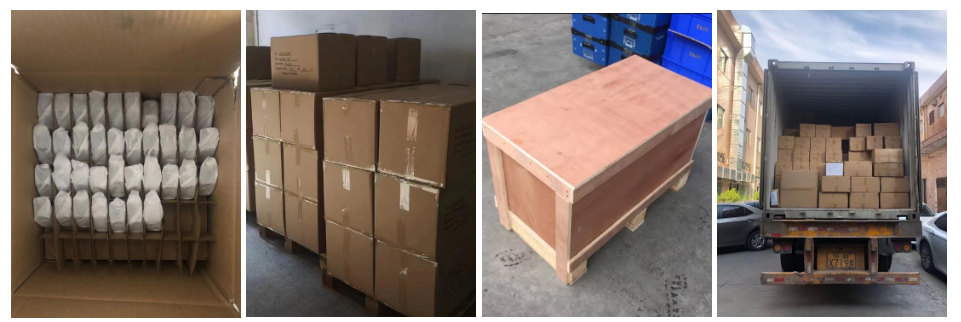
Bubble bag & Cardboard K=K Carton Box Pallet/ Wooden Box

FAQ
Hot Tags: aluminum alloy die casting heatsink, China aluminum alloy die casting heatsink manufacturers, suppliers, factory, Aluminum Alloy Die Casting Electronic Housing, Aluminum Alloy Die Casting Motorcycle Accessories, Aluminum Alloy Die Casting Security Accessories, aluminum alloy die casting, Aluminum Die Casting Ashtray, Aluminum Alloy Die Casting LED Light Parts


