


As a plastic mold maker, handling customer complaints is an inevitable part of our business. At our company, we understand that every complaint is an opportunity to improve our services and strengthen our relationship with customers. In this blog, I will share how we, as a plastic mold maker, deal with customer complaints in a professional and effective manner.
Understanding the Complaint
The first step in handling any customer complaint is to listen actively and understand the issue at hand. When a customer reaches out with a problem, our customer service team makes sure to give them their full attention. We encourage customers to provide as much detail as possible, including the specific mold, the nature of the problem, and any relevant production data.
For example, if a customer complains about the quality of a Handcraft Plastic Molds, we ask about the appearance of the molded parts, such as surface defects, dimensional inaccuracies, or any issues with the parting line. We also inquire about the production process, like the injection molding machine settings, the type of plastic material used, and the cycle time. This detailed information helps us to accurately diagnose the problem and find an appropriate solution.
Investigating the Root Cause
Once we have a clear understanding of the complaint, our technical team gets involved to investigate the root cause. We use a systematic approach to analyze the mold design, manufacturing process, and quality control measures.
In some cases, the problem may be related to the mold design. For instance, if the gate location in the mold is not optimized, it can lead to uneven filling of the plastic material and result in part defects. Our engineers will review the mold design drawings and use simulation software to analyze the flow behavior of the plastic during the injection molding process.
On the other hand, the issue could be due to the manufacturing process. We check the machining accuracy, surface finish, and heat treatment of the mold components. Any deviation from the specified tolerances can affect the performance of the mold. We also examine the quality control records to ensure that all the inspection steps were carried out correctly during the manufacturing process.
If the complaint is about a Liquid Silicone Injection Mold, we pay special attention to the material properties of the liquid silicone and the curing process. The viscosity, temperature, and pressure of the liquid silicone can all have an impact on the final product quality.
Communicating with the Customer
Throughout the investigation process, we maintain open and transparent communication with the customer. We keep them informed about the progress of our investigation and provide regular updates on the expected time frame for a solution.
We also make sure to empathize with the customer's concerns. We understand that a mold problem can cause disruptions to their production schedule and result in financial losses. By showing empathy, we can build trust and demonstrate our commitment to resolving the issue.
Once we have identified the root cause, we present the findings to the customer in a clear and understandable manner. We explain the steps we will take to address the problem and provide a detailed action plan.
Implementing the Solution
Based on the root cause analysis, our technical team develops a solution to resolve the problem. This may involve making modifications to the mold design, adjusting the manufacturing process, or providing additional training on mold maintenance and usage.

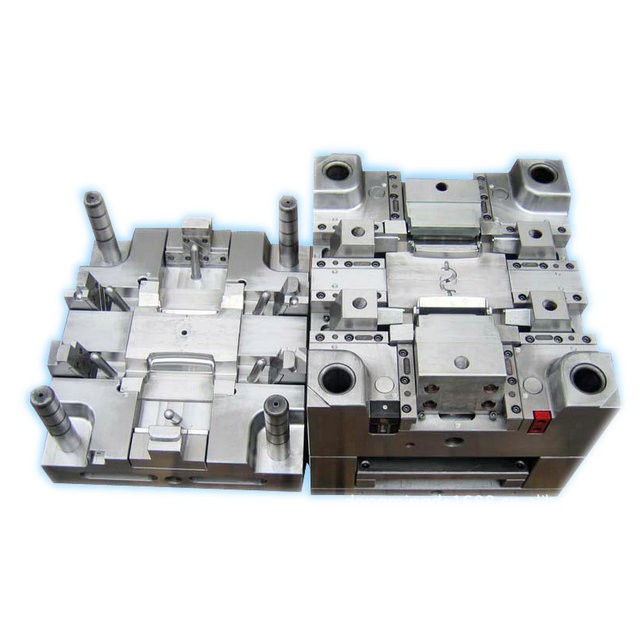
If the issue is related to the mold design, we may need to make changes to the gate location, runner system, or cooling channels. Our engineers will work closely with the customer to ensure that the modifications meet their requirements and do not affect the functionality of the molded parts.
In cases where the problem is due to the manufacturing process, we will take corrective actions to improve the machining accuracy and surface finish of the mold components. We may also revise the quality control procedures to prevent similar issues from occurring in the future.
We also provide our customers with Mold Maintenance and Usage Considerations to help them extend the lifespan of the mold and ensure consistent product quality. This includes guidelines on mold cleaning, lubrication, storage, and handling.
Following Up
After implementing the solution, we follow up with the customer to ensure that the problem has been resolved to their satisfaction. We ask for feedback on the effectiveness of the solution and whether they have any further concerns.
This follow-up step is crucial for building long-term relationships with our customers. It shows that we care about their experience and are committed to providing excellent customer service. If the customer is still not satisfied, we will continue to work with them until the issue is fully resolved.
Preventing Future Complaints
In addition to resolving current complaints, we also take proactive measures to prevent future issues. We conduct regular reviews of our mold design and manufacturing processes to identify areas for improvement. We also invest in research and development to stay updated with the latest technologies and industry best practices.
We encourage our customers to provide feedback on their overall experience with our molds. This feedback helps us to understand their needs and expectations better and allows us to make continuous improvements to our products and services.
Conclusion
Handling customer complaints is an important part of our business as a plastic mold maker. By listening to our customers, investigating the root cause, communicating effectively, implementing solutions, and following up, we can turn a negative experience into a positive opportunity to strengthen our relationship with our customers.
If you have any questions or concerns about our plastic molds, or if you are interested in purchasing our products, please feel free to contact us. We are always here to provide you with the best possible service and support.
References
- "Plastic Injection Molding Handbook" by Rosato, David V.
- "Mold Design for Injection Molding" by Throne, James L.
- Industry standards and guidelines related to plastic mold manufacturing.


