


Hey there! I'm a supplier working as a Plastic Mold Maker, and let me tell you, dealing with changes in client requirements during a project is like navigating a rollercoaster. It's full of twists and turns, but with the right approach, we can still end up with a great result.
First off, when a client comes to us with a new project, we usually start with a detailed discussion. We sit down, go over their ideas, and try to understand exactly what they're looking for. We take notes, ask questions, and make sure we're on the same page. But here's the thing - sometimes, as the project progresses, clients realize they want something different. Maybe they've seen a new design, or they've had a change in their own product plans. That's when things can get a bit tricky.
One of the first steps we take when faced with a change in requirements is to have an open and honest conversation with the client. We let them know that we're happy to work with them to make the necessary adjustments, but we also need to be clear about the potential impact on the project. This includes things like the timeline, the cost, and the overall feasibility of the new requirements.
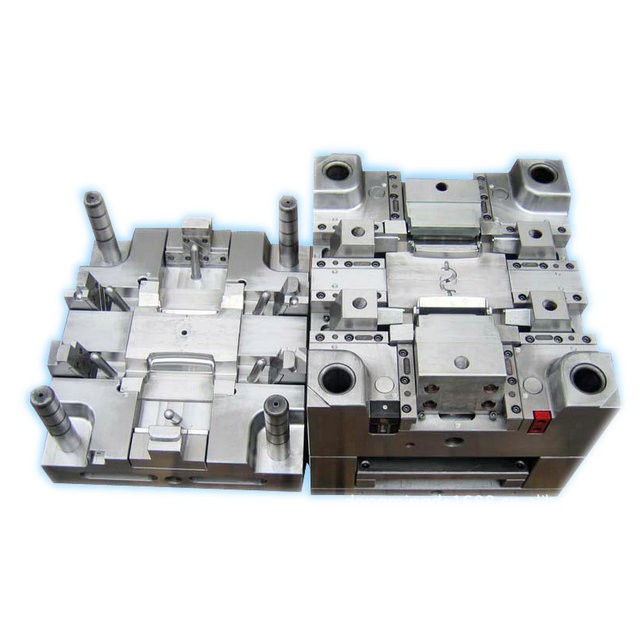
For example, if a client wants to change the shape of a plastic part we're making, we need to assess whether our existing mold design can accommodate the change. If not, we'll have to start from scratch or make significant modifications to the mold. This can take time and add to the cost of the project. We'll explain this to the client and work with them to find a solution that meets their needs while also being realistic in terms of time and budget.
Another important aspect is communication. We make sure to keep the client in the loop throughout the process. We provide regular updates on the progress of the project, including any challenges we're facing and the steps we're taking to address them. This helps to build trust and ensures that the client feels involved and informed.
In some cases, we might also need to consult with our team of engineers and designers. They have the expertise to evaluate the technical aspects of the new requirements and come up with creative solutions. For instance, if a client wants to add a new feature to a plastic part, our engineers can determine the best way to incorporate it into the design without compromising the functionality or quality of the part.
Now, let's talk about some of the specific challenges we might encounter when dealing with changes in client requirements. One common issue is the impact on the mold itself. As I mentioned earlier, changing the design of a plastic part can require modifications to the mold. This can be a complex and time-consuming process, especially if the mold has already been fabricated.
To minimize the impact on the mold, we try to be as flexible as possible during the design phase. We use advanced CAD/CAM software to create virtual models of the mold and the plastic part. This allows us to visualize the design and make changes easily before the mold is actually made. It also helps us to identify any potential issues early on and come up with solutions to avoid costly rework later.
Another challenge is managing the project timeline. When a client requests a change in requirements, it can throw off our original schedule. We need to be able to adjust our production plan accordingly and make sure that we can still deliver the project on time. This might involve working overtime, reallocating resources, or even subcontracting some of the work to other suppliers.
To stay on top of the timeline, we use project management tools to track the progress of the project and identify any potential bottlenecks. We also set realistic deadlines and communicate them clearly to the client. If we anticipate any delays, we'll let the client know as soon as possible and work with them to come up with a new schedule.
In addition to the technical and logistical challenges, there's also the issue of cost. Changing the requirements of a project can often result in additional costs. This can include the cost of modifying the mold, the cost of additional materials, and the cost of any extra labor.
To manage the cost, we try to be transparent with the client from the start. We provide them with a detailed breakdown of the costs associated with the change and work with them to find ways to minimize the impact on the budget. This might involve finding alternative materials, simplifying the design, or negotiating better prices with our suppliers.
Now, let's take a look at some of the resources we rely on to help us deal with changes in client requirements. One of the most important resources is our experience. Over the years, we've worked on a wide variety of projects and have encountered many different types of changes in requirements. This has given us the knowledge and expertise to handle even the most challenging situations.
We also stay up-to-date with the latest industry trends and technologies. This allows us to offer our clients the most innovative and cost-effective solutions. For example, we recently started using Liquid Silicone Injection Mold technology, which has opened up new possibilities for us in terms of design and functionality.
Another important resource is our network of suppliers and partners. We have established relationships with reliable suppliers who can provide us with high-quality materials and components at competitive prices. We also work closely with other mold makers and manufacturers who can help us with subcontracting or sharing resources when needed.
Finally, we have a comprehensive quality control system in place to ensure that every mold and plastic part we produce meets the highest standards of quality. This includes rigorous testing and inspection at every stage of the production process. We also provide our clients with detailed documentation and certification to prove the quality of our products.

In conclusion, dealing with changes in client requirements during a project is a challenge, but it's also an opportunity for us to showcase our flexibility, creativity, and problem-solving skills. By having open communication, being transparent about the impact on the project, and using our resources effectively, we can work with our clients to find solutions that meet their needs and exceed their expectations.
If you're in the market for a Plastic Mold Maker and have any questions or requirements, don't hesitate to reach out to us. We'd be happy to discuss your project and see how we can help. And if you're interested in learning more about mold maintenance and usage considerations, check out our article on Mold Maintenance and Usage Considerations.
References:
- Personal experience as a Plastic Mold Maker
- Industry knowledge and best practices
- Use of CAD/CAM software and project management tools


