


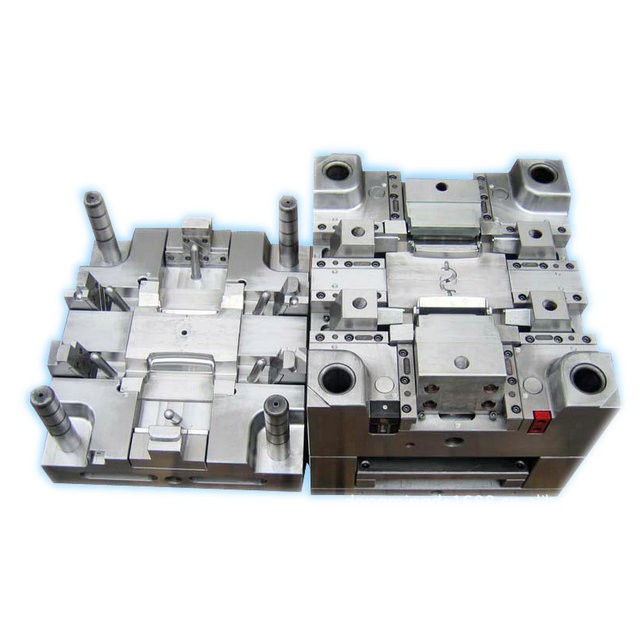
As a Plastic Mold Maker supplier, I've been in the game for quite some time, and I know how crucial proper venting of a mold is. In this blog, I'll share some insights on how we ensure the proper venting of the mold, which is a key factor in producing high - quality plastic products.

Why is Venting Important?
First off, let's talk about why venting is such a big deal. When you're injecting plastic into a mold, there's air inside the cavity. If this air can't escape properly, it can cause a bunch of problems. You might end up with air bubbles in the final product, which can weaken its structure and make it look bad. There could also be burn marks due to the compression of air, and incomplete filling of the mold, resulting in parts that don't meet the required specifications.
Designing for Venting
One of the first steps we take as a Plastic Mold Maker is to design the mold with venting in mind right from the start. We analyze the part geometry and the flow path of the plastic. For simple parts, we might use traditional venting methods like vent grooves. These are small channels cut into the mold surface, usually at the edges or in areas where air is likely to get trapped.
The size and depth of these vent grooves are super important. If they're too big, plastic can leak out, which is a huge no - no. If they're too small, they won't let the air out effectively. We use our experience and some fancy computer - aided design (CAD) software to calculate the optimal dimensions.
For more complex parts, we might consider using porous steel inserts. These inserts are made of a special type of steel that has tiny pores in it. Air can pass through these pores, but the plastic is too viscous to seep through. It's like a one - way ticket for air, allowing it to escape while keeping the plastic where it should be.
Testing and Validation
Once the mold is designed and fabricated, we don't just assume it's going to work perfectly. We run a series of tests. We use a low - viscosity fluid to simulate the flow of plastic and check if the air is venting properly. We also use pressure sensors to measure the pressure inside the mold cavity during the injection process.
If we notice any issues, like areas where the air isn't escaping or where there's too much pressure, we make adjustments. This could mean modifying the vent grooves, changing the position of the porous steel inserts, or even re - evaluating the overall design of the mold.
Maintenance and Monitoring
Proper venting isn't a one - time thing. We also need to make sure the vents stay clean and functional over time. As the mold is used, plastic residue can build up in the vent grooves or clog the pores in the porous steel inserts. That's why we follow the guidelines in Mold Maintenance and Usage Considerations.
Regular cleaning is essential. We use specialized cleaning tools and solvents to remove any plastic deposits. We also inspect the vents regularly to check for any signs of wear or damage. If we find any problems, we repair or replace the affected parts immediately.
Advanced Venting Techniques
In some cases, especially when dealing with Liquid Silicone Injection Mold, we use more advanced venting techniques. For example, we might use vacuum venting. This involves creating a vacuum inside the mold cavity before injecting the plastic. By removing the air in advance, we can significantly reduce the chances of air traps and improve the quality of the final product.
Another technique is gas - assisted injection molding. In this process, we inject a small amount of gas into the plastic melt. The gas helps to push the plastic into the corners of the mold and also provides a path for the air to escape. It's a bit more complex, but it can be very effective for certain types of parts.
Quality Control
Throughout the entire process, we have a strict quality control system in place. We check every mold we produce to make sure it meets our high standards for venting. We use a combination of visual inspections, dimensional measurements, and performance testing.
We also keep detailed records of each mold, including the design specifications, the testing results, and any maintenance work that's been done. This allows us to track the performance of the mold over time and make any necessary improvements.
Conclusion
Ensuring the proper venting of a mold is a multi - step process that requires careful planning, design, testing, and maintenance. As a Plastic Mold Maker supplier, we're committed to providing our customers with molds that have excellent venting characteristics. This not only helps to produce high - quality plastic parts but also reduces production costs by minimizing scrap and rework.
If you're in the market for a reliable Plastic Mold Maker, we'd love to have a chat with you. Whether you have a simple part or a complex design, we have the expertise and the technology to create a mold with optimal venting. Reach out to us, and let's start a conversation about your project.
References
- "Injection Molding Handbook" by O. Olafsson
- "Mold Design for Plastics" by R. A. Malloy
- Industry research papers on mold venting and related topics


