


Balancing the filling in multi - cavity injection molds is a crucial aspect of the injection molding process, especially for an injection mold supplier like us. In this blog, we'll delve into the key factors and strategies to achieve optimal filling balance in multi - cavity injection molds.
Understanding the Importance of Filling Balance
In multi - cavity injection molds, each cavity is designed to produce an identical part. However, achieving uniform filling across all cavities is often challenging. When the filling is unbalanced, it can lead to various defects in the molded parts. For instance, some cavities may be over - filled, resulting in excessive flash, while others may be under - filled, leading to short shots or incomplete parts. These defects not only affect the quality of the final products but also increase production costs due to scrap and rework.
A balanced filling process ensures consistent part dimensions, mechanical properties, and surface finish across all cavities. This is essential for meeting the strict quality requirements of our customers in different industries, such as automotive, medical, and consumer goods.
Factors Affecting Filling Balance
1. Runner System Design
The runner system plays a vital role in distributing the molten plastic evenly to all cavities. An improper runner design can cause significant filling imbalances. For example, if the runner lengths are different for each cavity, the molten plastic will experience different flow resistances. Longer runners will have higher pressure drops, which may result in less plastic flowing into the corresponding cavities.
To address this issue, we often use balanced runner systems. One common type is the H - type runner system, where the runner branches symmetrically to each cavity. This design helps to equalize the flow paths and pressure drops, ensuring more uniform filling. Another option is the hot runner system, which maintains the plastic in a molten state throughout the runner, reducing the pressure losses and improving the filling balance. You can learn more about our Liquid Silicone Injection Mold solutions, which often incorporate advanced runner system designs for optimal filling.
2. Cavity Layout
The layout of the cavities in the mold also affects the filling balance. If the cavities are not arranged symmetrically around the runner system, the plastic flow may be uneven. For example, placing cavities closer to the injection point may receive more plastic than those farther away.
We carefully consider the cavity layout during the mold design process. We aim to position the cavities in a way that the plastic flow paths are as similar as possible. This may involve using a square or circular arrangement of cavities, depending on the part geometry and the number of cavities.
3. Part Geometry
The geometry of the part itself can influence the filling balance. Parts with complex shapes or varying wall thicknesses will have different flow characteristics. For example, areas with thin walls will have higher flow resistance, which may cause the plastic to flow more slowly in those regions.
When designing the mold for such parts, we may need to adjust the gate location and size. The gate is the entry point of the molten plastic into the cavity. By placing the gate in a strategic location, we can direct the plastic flow to ensure uniform filling. For parts with thick and thin sections, we may use multiple gates to ensure that all areas are filled properly.
4. Material Properties
Different plastic materials have different flow properties, such as viscosity and melt flow index. These properties can affect the filling balance in multi - cavity molds. High - viscosity materials will have more difficulty flowing through the runner and into the cavities, which may lead to filling imbalances.
We work closely with our customers to select the appropriate plastic material for their parts. We also conduct material testing to understand the flow behavior of the selected material. Based on the test results, we can optimize the mold design and the injection molding process parameters to achieve better filling balance.
Strategies for Achieving Filling Balance
1. Mold Flow Analysis
Mold flow analysis is a powerful tool that we use to predict the filling behavior in multi - cavity molds. By using specialized software, we can simulate the plastic flow through the runner system and into the cavities. The analysis provides valuable information about the pressure distribution, flow front advancement, and filling time for each cavity.

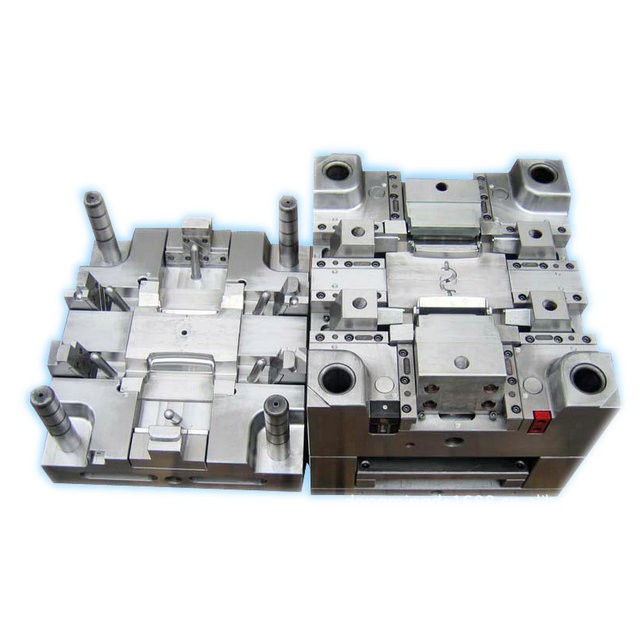
Based on the mold flow analysis results, we can identify potential filling imbalances and make necessary adjustments to the mold design. For example, if the analysis shows that a particular cavity is under - filled, we can modify the runner system or the gate size for that cavity. This helps to reduce the trial - and - error process during mold development and ensures a more balanced filling from the start.
2. Process Parameter Optimization
The injection molding process parameters, such as injection speed, pressure, and temperature, also play a crucial role in achieving filling balance. We carefully adjust these parameters to ensure that the molten plastic flows evenly into all cavities.
For example, increasing the injection speed can help to overcome the flow resistance in the runner and cavities, improving the filling balance. However, too high an injection speed may cause other problems, such as jetting or air entrapment. Therefore, we need to find the optimal injection speed through a series of experiments.
Similarly, adjusting the injection pressure can also affect the filling balance. Higher pressures can force the plastic to flow into all cavities, but excessive pressure may lead to mold damage or part deformation. We also need to control the mold temperature and the melt temperature. A consistent temperature throughout the mold helps to maintain the plastic's flow properties and ensures more uniform filling.
3. Mold Maintenance
Proper mold maintenance is essential for maintaining the filling balance over time. Wear and tear on the mold components, such as the runner system and the gates, can affect the plastic flow and cause filling imbalances.
We recommend regular mold maintenance, including cleaning, lubrication, and inspection of the mold components. You can refer to our Mold Maintenance and Usage Considerations for detailed guidelines on how to keep your molds in good condition. By maintaining the mold in optimal condition, we can ensure consistent filling performance and extend the mold's service life.
Case Studies
Let's take a look at a real - world example. We recently worked on a project for a customer in the automotive industry. They needed a multi - cavity injection mold to produce plastic connectors. Initially, the filling was unbalanced, with some cavities producing short - shot parts.
We first conducted a mold flow analysis and found that the runner system design was the main cause of the problem. The runner lengths were not equal for all cavities, leading to different flow resistances. We redesigned the runner system to a more balanced H - type configuration. We also optimized the gate size and location based on the analysis results.
After the modifications, the filling balance was significantly improved. All cavities were filled uniformly, and the part quality met the customer's requirements. This case demonstrates the importance of using a systematic approach to address filling balance issues in multi - cavity injection molds.
Conclusion
Balancing the filling in multi - cavity injection molds is a complex but essential task for an injection mold supplier like us. By considering factors such as runner system design, cavity layout, part geometry, and material properties, and by using strategies like mold flow analysis, process parameter optimization, and mold maintenance, we can achieve optimal filling balance and produce high - quality parts.
If you are looking for a reliable injection mold supplier to help you with your multi - cavity injection molding needs, we are here to assist you. Our team of experienced engineers and technicians can work closely with you to design and manufacture molds that ensure uniform filling and excellent part quality. Contact us to discuss your project requirements and start a successful partnership.
References
- "Injection Molding Handbook" by O. Olabisi
- "Mold Design for Injection Molding" by R. A. Malloy


