


Controlling the mold temperature in injection molding is a critical aspect that directly impacts the quality, efficiency, and cost - effectiveness of the production process. As an injection mold supplier, I've witnessed firsthand how precise mold temperature control can make or break a project. In this blog, I'll share some insights on how to effectively manage mold temperature in injection molding.
The Importance of Mold Temperature Control
Mold temperature plays a pivotal role in determining the properties of the molded part. If the mold is too cold, the plastic may solidify too quickly, leading to issues such as short shots, warping, and poor surface finish. On the other hand, if the mold is too hot, the plastic may degrade, resulting in discoloration, reduced mechanical properties, and longer cycle times.
Proper mold temperature control ensures uniform cooling of the plastic, which is essential for achieving consistent part dimensions and high - quality surface finishes. It also helps to reduce internal stresses within the part, minimizing the risk of cracking and warping during and after the molding process. Additionally, by optimizing the mold temperature, we can significantly reduce cycle times, increasing the overall productivity of the injection molding operation.
Factors Affecting Mold Temperature
Several factors influence the mold temperature in injection molding. The type of plastic resin being used is one of the most significant factors. Different plastics have different melting points and cooling rates, which require specific mold temperatures for optimal processing. For example, amorphous plastics like polystyrene and polycarbonate generally require higher mold temperatures compared to semi - crystalline plastics like polyethylene and polypropylene.
The geometry of the mold and the part also plays a crucial role. Complex part geometries with thin walls or intricate features may require more precise temperature control to ensure proper filling and cooling. The size of the part and the thickness of its walls can also affect the heat transfer rate and, consequently, the mold temperature.
The injection molding machine itself can impact the mold temperature. The injection speed, pressure, and cycle time all contribute to the amount of heat generated during the molding process. High injection speeds and pressures can generate more heat, which may require additional cooling to maintain the desired mold temperature.
Methods of Mold Temperature Control
Cooling Systems
One of the most common methods of controlling mold temperature is through the use of cooling systems. These systems typically consist of channels drilled into the mold through which a cooling medium, such as water or oil, is circulated. The cooling medium absorbs heat from the mold, transferring it away and maintaining a consistent temperature.
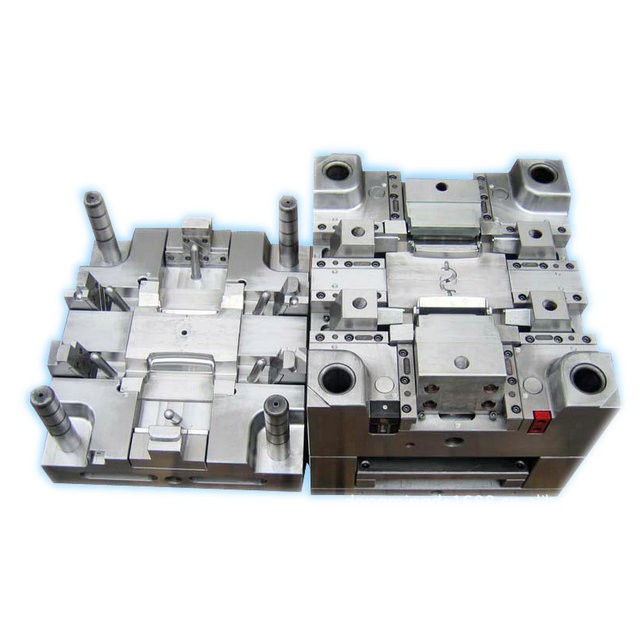

There are different types of cooling channels, including straight channels, spiral channels, and conformal cooling channels. Straight channels are the simplest and most cost - effective option but may not provide uniform cooling, especially for complex mold geometries. Spiral channels offer better cooling efficiency by increasing the contact area between the cooling medium and the mold. Conformal cooling channels, which are designed to follow the shape of the part, provide the most uniform cooling and are particularly effective for parts with complex geometries.
However, designing and implementing an effective cooling system requires careful consideration. The size, shape, and layout of the cooling channels must be optimized based on the part geometry, the type of plastic resin, and the desired mold temperature. Improperly designed cooling systems can lead to uneven cooling, which can result in part defects.
Heating Systems
In some cases, it may be necessary to heat the mold to a specific temperature. This is particularly true for plastics that require high mold temperatures for proper processing or for molds that need to be pre - heated before the injection process. Heating systems can use various methods, such as electric heaters, hot oil, or steam.
Electric heaters are commonly used because they are easy to install and control. They can be placed directly in the mold or in the mold base, providing precise temperature control. Hot oil and steam heating systems are more suitable for large - scale production where a higher heat transfer rate is required.
Insulation
Insulation can also be used to control the mold temperature. By insulating the mold, we can reduce heat loss to the surrounding environment, making it easier to maintain a consistent temperature. Insulation materials such as ceramic fiber blankets or insulating coatings can be applied to the mold surface or the mold base.
Monitoring and Adjusting Mold Temperature
To ensure optimal mold temperature control, it is essential to monitor the temperature continuously. Temperature sensors can be installed at strategic locations within the mold to measure the temperature in real - time. These sensors can be connected to a temperature control unit, which can adjust the flow rate of the cooling or heating medium based on the measured temperature.
Regular maintenance of the temperature control system is also crucial. The cooling channels should be cleaned periodically to prevent blockages, which can impede the flow of the cooling medium and affect the temperature control. The temperature sensors and control units should be calibrated regularly to ensure accurate temperature measurement and control.
Best Practices for Mold Temperature Control
As an injection mold supplier, I recommend the following best practices for controlling mold temperature in injection molding:
- Understand the Plastic Resin: Familiarize yourself with the properties of the plastic resin being used and its recommended mold temperature range. Consult the resin manufacturer's guidelines for specific processing parameters.
- Optimize the Cooling System Design: Work with a professional mold designer to create a cooling system that is tailored to the specific requirements of the part and the mold. Consider using conformal cooling channels for complex part geometries.
- Monitor and Adjust Continuously: Install temperature sensors in the mold and use a reliable temperature control unit to monitor and adjust the mold temperature in real - time. Make small adjustments based on the part quality and the measured temperature.
- Maintain the Mold and Temperature Control System: Regularly clean the cooling channels, check the temperature sensors, and calibrate the control units to ensure the proper functioning of the temperature control system.
Conclusion
Controlling the mold temperature in injection molding is a complex but essential process that requires a combination of knowledge, experience, and the right equipment. As an injection mold supplier, I understand the challenges and importance of precise temperature control. By implementing the methods and best practices outlined in this blog, you can improve the quality of your molded parts, increase productivity, and reduce costs.
If you are looking for a reliable Plastic Mold Maker or need a Liquid Silicone Injection Mold, we are here to help. We also provide valuable insights on Mold Maintenance and Usage Considerations. Contact us to discuss your injection molding needs and how we can assist you in achieving optimal mold temperature control for your projects.
References
- "Injection Molding Handbook" by O. Olufemi Akinlabi
- "Plastics Processing: Modeling and Simulation" by John A. Scheirs
- Technical literature from plastic resin manufacturers


