


As a seasoned ABS injection molding supplier, I've witnessed firsthand the challenges and opportunities that come with enhancing the moldability of Acrylonitrile Butadiene Styrene (ABS). ABS is a popular thermoplastic known for its excellent mechanical properties, impact resistance, and aesthetic appeal. However, achieving optimal moldability can be a complex process that requires a deep understanding of the material and the injection molding process. In this blog post, I'll share some practical tips and strategies to help you improve the moldability of ABS and produce high-quality injection-molded parts.
Understanding the Basics of ABS Moldability
Before diving into the specific techniques for improving moldability, it's important to understand the factors that influence the behavior of ABS during the injection molding process. ABS is a blend of three monomers: acrylonitrile, butadiene, and styrene. The ratio of these monomers can vary, resulting in different grades of ABS with varying properties. Generally, ABS has a relatively high melt viscosity, which can make it challenging to flow into complex mold cavities. Additionally, ABS is sensitive to temperature and shear forces, which can affect its molecular structure and mechanical properties.
The moldability of ABS is also influenced by the design of the mold and the injection molding machine settings. Factors such as the gate size, runner system, cooling channels, and injection speed can all impact the flow of the molten ABS and the quality of the final part. Therefore, it's crucial to optimize these parameters to ensure consistent and efficient molding.
Optimizing the ABS Material
One of the first steps in improving the moldability of ABS is to select the right grade of material for your application. Different grades of ABS have different melt flow rates, impact resistance, and other properties. Choosing a grade with a higher melt flow rate can improve the flowability of the material and make it easier to fill the mold cavities. However, it's important to balance the melt flow rate with other properties such as impact resistance and mechanical strength.
In addition to selecting the right grade of ABS, you can also modify the material to improve its moldability. One common method is to add a processing aid or lubricant to the ABS resin. These additives can reduce the friction between the molten ABS and the mold surface, improving the flow of the material and reducing the likelihood of surface defects such as flow lines and weld lines. Another option is to blend ABS with other polymers or additives to enhance its properties. For example, blending ABS with polycarbonate can improve its heat resistance and impact strength, while adding a flame retardant can make it suitable for applications where fire safety is a concern.
Designing the Mold for Optimal Flow
The design of the mold plays a crucial role in the moldability of ABS. A well-designed mold can ensure uniform flow of the molten ABS and minimize the occurrence of defects. Here are some key considerations when designing a mold for ABS injection molding:
- Gate Design: The gate is the opening through which the molten ABS enters the mold cavity. The size, shape, and location of the gate can significantly affect the flow of the material. A larger gate can improve the flow rate, but it can also leave a larger mark on the final part. Therefore, it's important to choose the right gate size and type for your application. Common gate types for ABS injection molding include sprue gates, submarine gates, and hot runner gates.
- Runner System: The runner system is the network of channels that connects the injection machine nozzle to the mold cavities. A well-designed runner system can ensure uniform distribution of the molten ABS to all parts of the mold. It's important to minimize the length and diameter of the runners to reduce the pressure drop and improve the flow efficiency. Additionally, using a hot runner system can eliminate the need for cold runners, which can reduce waste and improve the cycle time.
- Cooling Channels: Proper cooling is essential for achieving high-quality ABS parts. The cooling channels in the mold should be designed to remove heat from the molten ABS as quickly and evenly as possible. This can help prevent warping, shrinkage, and other defects. The size, shape, and layout of the cooling channels should be optimized based on the part geometry and the cooling requirements of the ABS material.
- Mold Surface Finish: The surface finish of the mold can also affect the moldability of ABS. A smooth mold surface can reduce friction and improve the flow of the molten ABS, resulting in a better surface finish on the final part. It's important to use a high-quality mold polish and to avoid any sharp edges or corners that could cause flow restrictions or surface defects.
Adjusting the Injection Molding Machine Settings
In addition to optimizing the material and the mold design, adjusting the injection molding machine settings can also improve the moldability of ABS. Here are some key parameters to consider:
- Injection Temperature: The injection temperature is one of the most important factors affecting the flowability of ABS. A higher injection temperature can reduce the melt viscosity and improve the flow of the material. However, it's important to avoid overheating the ABS, as this can cause degradation and affect the mechanical properties of the final part. The optimal injection temperature for ABS typically ranges from 220°C to 260°C, depending on the grade of material and the part geometry.
- Injection Pressure: The injection pressure is used to force the molten ABS into the mold cavities. A higher injection pressure can improve the filling of the mold, especially for complex parts with thin walls or small features. However, excessive injection pressure can cause flash, warping, and other defects. Therefore, it's important to find the right balance between the injection pressure and the part quality.
- Injection Speed: The injection speed determines how quickly the molten ABS is injected into the mold. A higher injection speed can improve the flow of the material and reduce the likelihood of flow lines and weld lines. However, it can also cause air entrapment and other defects. Therefore, it's important to adjust the injection speed based on the part geometry and the mold design.
- Holding Pressure and Time: After the mold is filled with molten ABS, a holding pressure is applied to ensure that the material is packed tightly into the mold cavities and to compensate for shrinkage during cooling. The holding pressure and time should be optimized to ensure proper packing and minimize the occurrence of sink marks and other defects.
- Cooling Time: The cooling time is the time required for the ABS part to solidify in the mold. Proper cooling is essential for achieving high-quality parts with minimal warping and shrinkage. The cooling time should be based on the part thickness, the mold design, and the cooling efficiency of the injection molding machine.
Implementing Quality Control Measures
To ensure consistent and high-quality ABS injection molding, it's important to implement quality control measures throughout the production process. This includes inspecting the raw materials, monitoring the injection molding machine settings, and conducting post-production inspections of the finished parts.
- Raw Material Inspection: Before using the ABS resin, it's important to inspect it for any signs of contamination or damage. This can include checking the color, moisture content, and melt flow rate of the material. Using high-quality raw materials can help prevent defects and ensure consistent molding.
- Process Monitoring: During the injection molding process, it's important to monitor the machine settings and process parameters to ensure that they are within the specified range. This can include monitoring the injection temperature, pressure, speed, and cooling time. Any deviations from the set parameters should be corrected immediately to prevent defects.
- Post-Production Inspection: After the parts are molded, they should be inspected for any defects such as surface defects, dimensional variations, and mechanical properties. This can include visual inspection, dimensional measurement, and testing for impact resistance, tensile strength, and other properties. Any defective parts should be identified and removed from the production line to ensure that only high-quality parts are shipped to the customer.
Conclusion
Improving the moldability of ABS requires a comprehensive approach that involves optimizing the material, designing the mold for optimal flow, adjusting the injection molding machine settings, and implementing quality control measures. By following these tips and strategies, you can enhance the efficiency and quality of your ABS injection molding process and produce high-quality parts that meet your customers' requirements.
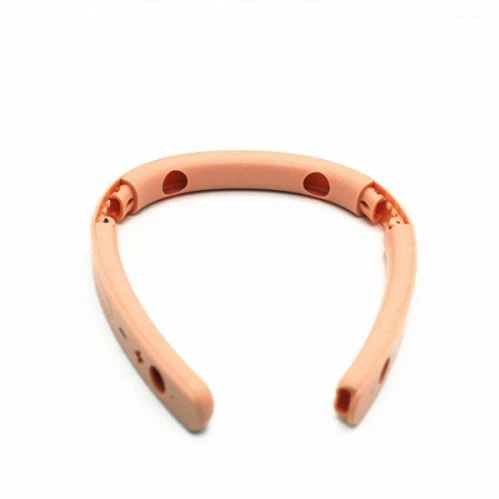

If you're interested in learning more about ABS injection molding or have any questions about improving the moldability of ABS, please feel free to contact us. We're a leading ABS injection molding supplier with extensive experience in producing high-quality ABS Plastic Cars Accessories, ABS Plastic Massager Accessories, and ABS Plastic Motorcycle Accessories. Our team of experts can help you optimize your injection molding process and ensure the success of your project.
References
- Throne, J. L. (1996). Thermoplastic Injection Molding: Materials, Processing, and Tooling. Marcel Dekker.
- Rosato, D. V., Rosato, D. V., & Rosato, M. G. (2000). Injection Molding Handbook. Kluwer Academic Publishers.
- Osswald, T. A., & Turng, L.-S. (2007). Injection Molding Handbook. Hanser Publishers.


