


Hey there! As a supplier of ABS injection molding, I often get asked about the cost of ABS injection molding. It's a hot topic, and understandably so. Everyone wants to know what they're getting into financially when it comes to this manufacturing process. So, let's dive right in and break down the factors that influence the cost of ABS injection molding.
First off, what is ABS? ABS stands for Acrylonitrile Butadiene Styrene. It's a common thermoplastic polymer known for its toughness, rigidity, and good impact resistance. It's used in a wide range of products, from ABS Plastic Bicycle Accessories to ABS Plastic Massager Accessories and ABS Plastic Electronic Housing.
Material Costs
The cost of ABS material itself is a significant factor. The price of ABS resin can fluctuate based on market conditions, such as supply and demand, and the cost of raw materials. Generally, ABS is considered a mid - range material in terms of price compared to other plastics. High - quality ABS with special properties, like flame retardancy or enhanced UV resistance, will cost more.
For example, if you're making a large - scale production of ABS plastic electronic housings, the amount of material needed will be substantial. You'll need to factor in the cost per pound or kilogram of the ABS resin. And don't forget about waste. During the injection molding process, there will be some material that is wasted, such as the runners and sprues. This waste material can add to the overall material cost.
Tooling Costs
Tooling is another major cost component. To create an ABS injection - molded part, you need a mold. The mold is custom - designed to the shape and specifications of the part you want to produce. The cost of mold making depends on several factors.
The complexity of the part design is a big one. If the part has intricate details, undercuts, or complex geometries, the mold will be more expensive to make. The size of the part also matters. Larger parts require larger molds, which use more material and take more time to machine, increasing the cost.
Moreover, the type of mold material used affects the price. Steel molds are more durable and can withstand high - volume production but are more expensive upfront. Aluminum molds are cheaper and quicker to make but may not be suitable for long - term, high - volume production.
Production Volume
The number of parts you want to produce has a huge impact on the cost per part. In injection molding, there are fixed costs, like tooling, and variable costs, like material and labor. When you produce a small number of parts, the fixed cost of the mold is spread over a small quantity, making the cost per part relatively high.
For instance, if you only need 100 ABS plastic massager accessories, the cost per part will be much higher compared to producing 10,000. As the production volume increases, the fixed cost of the mold is divided among more parts, and the cost per part decreases. However, there is a limit. At some point, the cost savings from increased volume will level off due to factors like increased material handling and potential quality control issues.
Labor and Overhead Costs
Labor costs are involved in every step of the ABS injection - molding process. Skilled workers are needed to operate the injection molding machines, monitor the production process, and perform quality control checks. The labor cost can vary depending on the location of the manufacturing facility. In regions with higher labor costs, such as Western Europe or North America, the overall production cost will be higher.
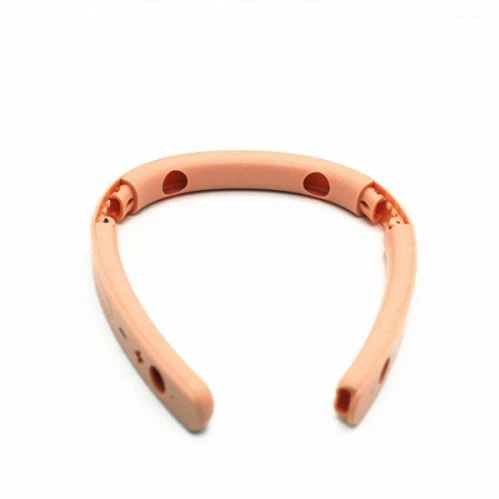

Overhead costs include things like rent for the manufacturing facility, utilities (electricity, water, etc.), and equipment maintenance. These costs are spread across all the parts produced and contribute to the final cost of the ABS injection - molded parts.
Secondary Operations
Sometimes, after the injection molding process, additional operations are required. This could include painting, plating, assembly, or surface finishing. These secondary operations add to the cost.
For example, if you want to give your ABS plastic bicycle accessories a shiny, painted finish, you'll need to factor in the cost of the paint, the labor for painting, and the equipment used in the painting process. Assembly operations, like putting together multiple injection - molded parts, also require labor and may need additional fixtures or tools.
Quality Control Costs
Ensuring the quality of the ABS injection - molded parts is crucial. Quality control costs include inspection equipment, testing procedures, and the labor involved in checking the parts.
Non - destructive testing methods, such as ultrasonic testing or X - ray inspection, can be used to detect internal defects in the parts. Destructive testing, like tensile strength testing or impact testing, is also sometimes necessary, especially for parts that need to meet specific performance standards. All these testing methods and the associated equipment and labor add to the overall cost.
Shipping and Logistics
If you're not manufacturing the parts at the same location as the end - user, shipping and logistics costs come into play. The weight and volume of the parts, the shipping distance, and the shipping method (air, sea, or land) all affect the cost.
For example, shipping large - scale ABS plastic electronic housings overseas by sea will have different costs compared to shipping small - quantity ABS plastic bicycle accessories locally by truck.
How to Reduce Costs
There are several ways to reduce the cost of ABS injection molding. One is to optimize the part design. Simplify the design as much as possible to reduce tooling costs. Work with an experienced design engineer who can suggest design changes that won't compromise the functionality of the part.
Another way is to find a reliable supplier who can offer competitive material prices. You can also try to increase the production volume if possible to take advantage of economies of scale. And don't forget about recycling the waste material. Some injection molding facilities can recycle the runners and sprues back into the production process, reducing material costs.
Conclusion
So, as you can see, the cost of ABS injection molding is influenced by many factors, including material costs, tooling, production volume, labor, overhead, secondary operations, quality control, and shipping. Each project is unique, and the cost will vary depending on the specific requirements.
If you're interested in getting an accurate quote for your ABS injection - molding project, whether it's for ABS Plastic Bicycle Accessories, ABS Plastic Massager Accessories, or ABS Plastic Electronic Housing, I'd be more than happy to help. We have the expertise and experience to provide you with high - quality ABS injection - molded parts at a competitive price. Contact us to start discussing your project and get a customized solution.
References
- "Injection Molding Handbook" by O. Olabisi
- "Plastics Engineering: Fundamentals and Applications" by R. B. Seymour


