


Hey there! As a supplier in the ABS injection molding game, I often get asked about the difference between high - gloss and matte ABS injection molding. So, let's dive right in and break it down.
Appearance
The most obvious difference between high - gloss and matte ABS injection molding is the appearance. High - gloss ABS parts have a shiny, reflective surface. It's like looking at a mirror. This shiny finish gives the parts a sleek and modern look, making them stand out. You can see your reflection on it, which can add a touch of luxury to the product.
On the other hand, matte ABS parts have a non - reflective surface. They look more subdued and have a soft, smooth appearance. Instead of a shiny sheen, they have a kind of flat look that can be very appealing in different contexts. For example, if you're going for a more understated or professional look, matte is the way to go.
Applications
The appearance difference also leads to different applications for high - gloss and matte ABS injection molding.
High - gloss ABS is often used in products where aesthetics play a crucial role. For instance, in consumer electronics, high - gloss ABS can be used to make the outer casing of smartphones, tablets, or laptops. The shiny finish gives these devices a high - end look, making them more attractive to consumers. You can check out our ABS Plastic Electronic Housing on our website for examples of high - gloss ABS used in this way.
In the automotive industry, high - gloss ABS can be used for interior trims, such as dashboard panels or door handles. The shiny surface can add a sense of luxury to the car's interior. And for car accessories, high - gloss ABS can make them look more eye - catching. Take a look at our ABS Plastic Cars Accessories to see how high - gloss ABS is applied here.
Matte ABS, on the other hand, is great for products where you don't want too much glare or where a more professional look is required. In the medical field, matte ABS is often used for equipment housings. The non - reflective surface reduces glare, which is important when doctors or nurses are working with the equipment. It also gives a more sterile and professional appearance.
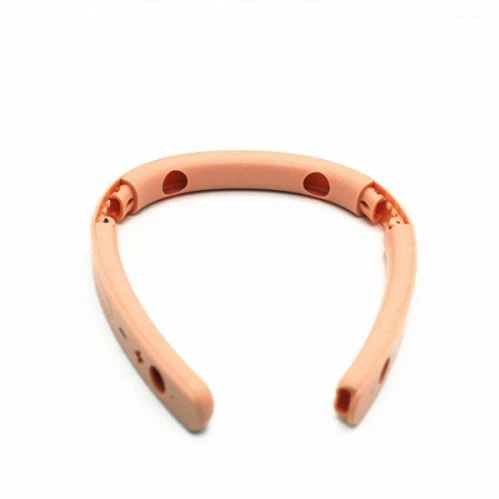
In the furniture industry, matte ABS can be used for handles or decorative elements. The subdued look can blend in well with different furniture styles. And for massage products, matte ABS can be a good choice. You can find some examples of ABS Plastic Massager Accessories on our site, where the matte finish provides a comfortable and non - shiny touch.
Manufacturing Process
The manufacturing process for high - gloss and matte ABS injection molding also has some differences.
For high - gloss ABS injection molding, the mold surface needs to be highly polished. A smooth and mirror - like mold surface is essential to transfer that shiny finish to the ABS part. During the injection molding process, the temperature and pressure need to be carefully controlled. Higher temperatures and pressures are often used to ensure that the ABS material fills the mold cavity completely and forms a smooth surface. However, this also means that there's a higher risk of defects like warping or sink marks if the process isn't managed properly.
Matte ABS injection molding, on the other hand, requires a different mold surface treatment. The mold surface is usually textured to create the non - reflective matte finish. There are different ways to texture the mold, such as chemical etching or mechanical blasting. The injection molding process for matte ABS can be a bit more forgiving in terms of temperature and pressure control compared to high - gloss. But it still needs to be optimized to ensure that the texture is evenly transferred to the part.
Durability and Maintenance
When it comes to durability, both high - gloss and matte ABS have their pros and cons.
High - gloss ABS parts are more prone to showing scratches and fingerprints. The shiny surface makes any blemishes more visible. However, if the part is well - protected and maintained, it can still last a long time. Cleaning high - gloss ABS parts usually requires a gentle cleaner and a soft cloth to avoid scratching the surface.
Matte ABS parts are less likely to show scratches and fingerprints. The non - reflective surface hides minor imperfections better. They are also generally easier to clean. A simple wipe with a damp cloth is often enough to keep them looking good. But over time, the matte finish can start to wear off if the part is exposed to a lot of friction or abrasion.

Cost
Cost is another factor to consider when choosing between high - gloss and matte ABS injection molding.
High - gloss ABS injection molding is usually more expensive. The process of polishing the mold to a high - gloss finish is time - consuming and requires skilled labor. Also, the higher temperature and pressure requirements during the injection molding process can increase the energy consumption. Additionally, the higher risk of defects means that there may be more scrap parts, which adds to the cost.
Matte ABS injection molding is generally more cost - effective. The mold texturing process is often less expensive than mold polishing. And the more forgiving injection molding process can lead to fewer defects and less scrap.
Conclusion
In conclusion, the choice between high - gloss and matte ABS injection molding depends on your specific needs. If you're looking for a shiny, eye - catching appearance and are willing to pay a bit more for it, high - gloss ABS is the way to go. But if you need a more subdued, non - reflective look that's easier to maintain and more cost - effective, matte ABS is a great option.
As an ABS injection molding supplier, we have the expertise and experience to provide you with high - quality high - gloss and matte ABS parts. Whether you're in the consumer electronics, automotive, medical, or furniture industry, we can work with you to find the best solution for your project. If you're interested in learning more or starting a procurement project, don't hesitate to reach out to us. We're here to help you bring your ideas to life.
References
- "Plastics in Automotive Applications" - A comprehensive guide on the use of plastics in the automotive industry.
- "Injection Molding Handbook" - A detailed resource on the injection molding process, including different surface finishes.
- "Consumer Electronics Design and Manufacturing" - A book that covers the design and manufacturing aspects of consumer electronics, including the use of different plastics.


