


As an aluminum CNC supplier, I've seen firsthand how crucial cutting fluid concentration is in the machining process. In this blog, I'll share my insights on what influence cutting fluid concentration has on aluminum CNC machining.
The Basics of Cutting Fluid in Aluminum CNC Machining
First off, let's talk about what cutting fluid is and why it's so important. Cutting fluid is like the life - blood of the CNC machining world. It helps in cooling the cutting tool and the workpiece during the machining process. When we're working with aluminum, which is a soft metal, the heat generated during cutting can cause a lot of problems. High heat can lead to the aluminum sticking to the cutting tool, which is known as built - up edge (BUE). This BUE can ruin the surface finish of the part and also reduce the tool life.
Cutting fluid also acts as a lubricant. It reduces friction between the cutting tool and the aluminum workpiece. This not only makes the cutting process smoother but also helps in achieving better dimensional accuracy. You see, when there's less friction, the tool can cut more precisely, and the part is more likely to meet the required specifications.

The Role of Concentration
Now, let's get into the nitty - gritty of cutting fluid concentration. The concentration of cutting fluid is basically the ratio of the cutting fluid concentrate to water. Different concentrations can have a huge impact on the machining process.
Low Concentration
When we use a low - concentration cutting fluid, say around 3% - 5%, it doesn't have enough of the active ingredients to do its job effectively. In terms of cooling, it won't be able to dissipate the heat as well as a properly concentrated fluid. This means that the cutting tool and the aluminum workpiece will get hotter. As I mentioned earlier, high heat can lead to BUE. You might end up with a part that has a rough surface finish, and the tool will wear out much faster.
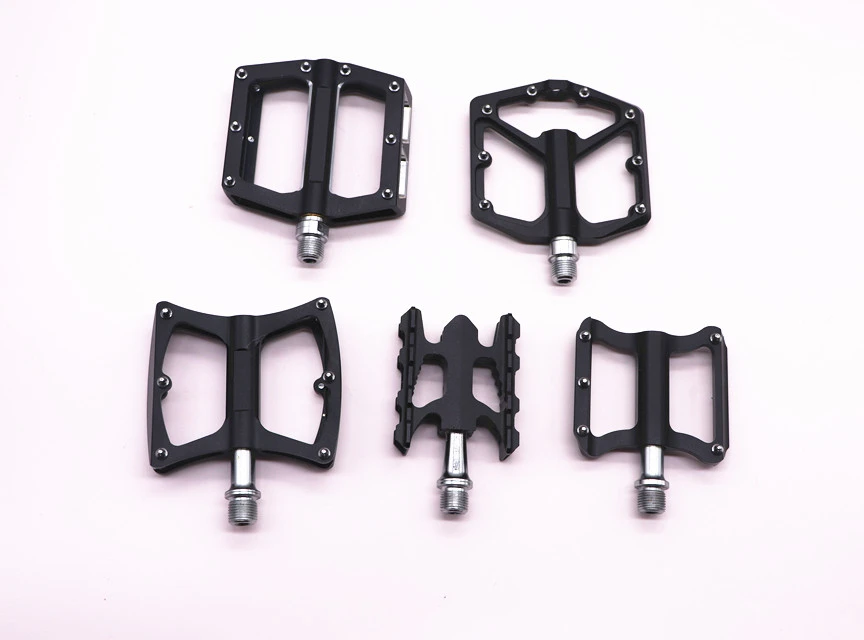
For example, if you're working on a CNC Aluminum Bicycle Pedal, a low - concentration cutting fluid can cause the pedal's surface to have uneven marks. The dimensional accuracy might also be off because the heat can cause the aluminum to expand and contract during the machining process.
In terms of lubrication, a low - concentration fluid won't be able to form a thick enough film between the tool and the workpiece. This results in higher friction, which can lead to chatter during the machining process. Chatter is that annoying vibration that can make the cutting process unstable and can also cause damage to the tool and the part.
High Concentration
On the other hand, using a high - concentration cutting fluid, like 10% - 15%, might seem like a good idea at first. You might think that more cutting fluid means better performance. But that's not always the case.
A high - concentration fluid can be too viscous. This means that it won't flow as easily around the cutting area. It can clog up the coolant lines and the nozzles, which can prevent the fluid from reaching the critical areas where it's needed most.
Also, high - concentration cutting fluids can be more expensive. You're using more of the concentrate, which adds to the cost of production. And from an environmental perspective, it's not the best option either.
For a 7075 Aluminum CNC Mill, a high - concentration fluid might cause the chips to stick together. This can make chip evacuation difficult, and if the chips aren't removed properly, they can damage the surface of the mill and also affect the cutting tool.
Optimal Concentration
The sweet spot for cutting fluid concentration in aluminum CNC machining is usually around 6% - 8%. At this concentration, the cutting fluid can provide good cooling and lubrication. It can effectively dissipate the heat generated during cutting, reducing the risk of BUE. The lubricating film is thick enough to reduce friction and chatter, allowing for a smooth and precise cutting process.
When you use the optimal concentration, you'll notice an improvement in the surface finish of the parts. For instance, if you're manufacturing Aluminum Motorcycle Parts, the parts will have a smoother surface, which is not only aesthetically pleasing but also important for the functionality of the parts.
Impact on Tool Life
The cutting fluid concentration has a direct impact on tool life. A low - concentration fluid, with its poor cooling and lubrication properties, can cause the cutting tool to wear out quickly. The high heat and friction can lead to the tool's cutting edge becoming dull, and in some cases, it can even cause the tool to break.
On the other hand, an optimal - concentration fluid can significantly extend the tool life. By keeping the cutting tool cool and reducing friction, it allows the tool to maintain its sharpness for a longer time. This means that you don't have to replace the tools as often, which can save you a lot of money in the long run.
Impact on Surface Finish
As I've mentioned a few times, the surface finish of the machined part is greatly affected by the cutting fluid concentration. A low - concentration fluid can result in a rough surface finish due to BUE and chatter. The part might have visible marks, scratches, or uneven areas.
An optimal - concentration fluid, however, can produce a smooth and shiny surface finish. This is crucial, especially for parts that are visible or have to fit precisely with other components. For example, in the case of a bicycle pedal, a good surface finish not only looks better but also reduces the risk of corrosion and improves the pedal's grip.
Impact on Dimensional Accuracy
Dimensional accuracy is another area where cutting fluid concentration plays a key role. A low - concentration fluid can cause the workpiece to expand due to the heat generated during cutting. This expansion can lead to the part being out of spec. The high friction can also cause the tool to deflect, which can further affect the dimensional accuracy.
With an optimal - concentration fluid, the heat is controlled, and the friction is reduced. This allows the tool to cut more precisely, and the part is more likely to be within the required dimensional tolerances.
Conclusion
In conclusion, the cutting fluid concentration is a critical factor in aluminum CNC machining. As an aluminum CNC supplier, I've seen how the right concentration can make a huge difference in the quality of the parts, tool life, and overall production efficiency.
If you're in the market for high - quality aluminum CNC - machined parts, or if you have any questions about cutting fluid concentration or the machining process in general, I'd love to have a chat with you. Feel free to reach out to discuss your specific needs and how we can work together to achieve the best results.
References
- Boothroyd, G., & Knight, W. A. (2006). Fundamentals of machining and machine tools. CRC Press.
- Kalpakjian, S., & Schmid, S. R. (2009). Manufacturing engineering and technology. Pearson.
- Trent, E. M., & Wright, P. K. (2000). Metal cutting. Butterworth - Heinemann.


