


As a seasoned ABS injection molding supplier, I've witnessed firsthand the critical role that the moisture absorption rate plays in the injection molding process. ABS, or Acrylonitrile Butadiene Styrene, is a popular thermoplastic polymer known for its excellent mechanical properties, impact resistance, and ease of processing. However, its moisture absorption characteristics can significantly affect the quality and performance of the final molded parts. In this blog post, I'll delve into the intricacies of the moisture absorption rate of ABS in injection molding, exploring its causes, effects, and strategies for mitigation.
Understanding Moisture Absorption in ABS
Moisture absorption is a natural phenomenon that occurs when a material comes into contact with water vapor in the surrounding environment. ABS, like many other polymers, has a certain affinity for water molecules due to its chemical structure. The acrylonitrile component in ABS contains polar nitrile groups, which can form hydrogen bonds with water molecules. This interaction allows ABS to absorb moisture from the air, especially in high humidity conditions.
The moisture absorption rate of ABS is typically expressed as a percentage of the weight of the absorbed water relative to the dry weight of the material. The rate of moisture absorption depends on several factors, including the humidity level, temperature, exposure time, and the thickness and surface area of the ABS part. In general, ABS has a relatively low moisture absorption rate compared to other polymers, typically ranging from 0.2% to 0.4% under normal conditions. However, even this small amount of moisture can have a significant impact on the injection molding process and the quality of the final parts.
Effects of Moisture Absorption on Injection Molding
When ABS absorbs moisture, it can cause several problems during the injection molding process. One of the most common issues is the formation of steam or gas bubbles within the molten ABS. As the plastic is heated in the injection molding machine, the absorbed moisture turns into steam, which can create voids, porosity, or surface defects in the molded parts. These defects can weaken the structural integrity of the parts and affect their appearance, making them unsuitable for certain applications.
In addition to surface defects, moisture absorption can also affect the flow properties of ABS. The presence of moisture can increase the viscosity of the molten plastic, making it more difficult to fill the mold cavities evenly. This can result in incomplete filling, short shots, or uneven wall thickness in the molded parts. Moreover, the moisture can react with the ABS polymer during the molding process, leading to chemical degradation and a reduction in the mechanical properties of the material.
Another problem associated with moisture absorption is the potential for hydrolysis. Hydrolysis is a chemical reaction in which water molecules break down the polymer chains in ABS, leading to a loss of molecular weight and a decrease in the strength and toughness of the material. This can be particularly problematic in applications where the ABS parts are exposed to high temperatures or harsh chemicals, as hydrolysis can accelerate under these conditions.
Measuring and Controlling Moisture Absorption
To ensure the quality of the injection molded ABS parts, it is essential to measure and control the moisture content of the ABS material before and during the molding process. There are several methods available for measuring the moisture content of ABS, including the Karl Fischer titration method, the loss-on-drying method, and the use of moisture sensors. These methods can provide accurate and reliable measurements of the moisture content, allowing manufacturers to take appropriate measures to control it.
One of the most effective ways to control moisture absorption in ABS is to dry the material before it is fed into the injection molding machine. Drying the ABS can remove the absorbed moisture and reduce the risk of steam formation and other moisture-related problems during the molding process. The drying process typically involves heating the ABS pellets in a desiccant dryer at a temperature of around 80°C to 90°C for several hours, depending on the moisture content and the type of ABS material.
In addition to drying the material, it is also important to store the ABS pellets in a dry environment to prevent further moisture absorption. This can be achieved by using sealed containers or storage silos and by keeping the storage area at a low humidity level. It is also recommended to use the ABS pellets as soon as possible after drying to minimize the exposure time to the environment.
Applications of ABS Injection Molding
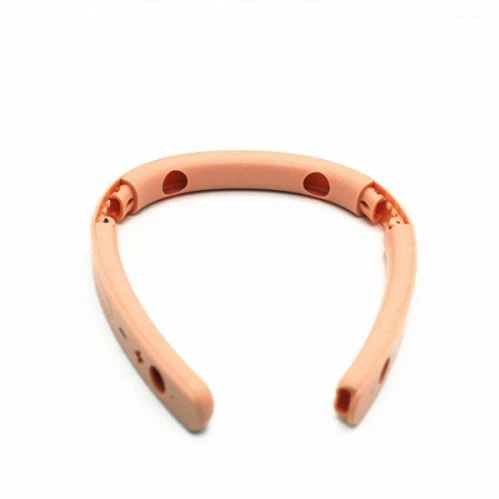
Despite the challenges associated with moisture absorption, ABS is still widely used in a variety of injection molding applications due to its excellent mechanical properties, impact resistance, and aesthetic appeal. Some of the common applications of ABS injection molding include automotive parts, electronic housings, consumer products, and ABS Plastic Motorcycle Accessories, ABS Plastic Massager Accessories, and ABS Plastic Bicycle Accessories.
In the automotive industry, ABS is used to manufacture a wide range of parts, including dashboards, door panels, bumpers, and interior trim components. The high impact resistance and dimensional stability of ABS make it an ideal material for these applications, as it can withstand the rigors of daily use and provide a long service life.
In the electronics industry, ABS is commonly used to make housings for electronic devices such as computers, smartphones, and televisions. The excellent electrical insulation properties and aesthetic appeal of ABS make it a popular choice for these applications, as it can protect the electronic components from damage and provide a sleek and modern appearance.
In the consumer products industry, ABS is used to make a variety of products, including toys, kitchenware, and household appliances. The versatility and affordability of ABS make it a popular material for these applications, as it can be easily molded into complex shapes and colors to meet the needs of different consumers.
Strategies for Mitigating Moisture Absorption
To minimize the effects of moisture absorption on the injection molding process and the quality of the final parts, there are several strategies that manufacturers can adopt. One of the most important strategies is to ensure proper storage and handling of the ABS material. This includes storing the ABS pellets in a dry environment, using sealed containers or storage silos, and keeping the storage area at a low humidity level. It is also recommended to use the ABS pellets as soon as possible after drying to minimize the exposure time to the environment.
Another strategy is to optimize the drying process. This involves using a desiccant dryer to remove the absorbed moisture from the ABS pellets before they are fed into the injection molding machine. The drying temperature and time should be carefully controlled to ensure that the ABS is thoroughly dried without causing any thermal degradation. It is also important to monitor the moisture content of the ABS during the drying process to ensure that it meets the required specifications.
In addition to proper storage and drying, manufacturers can also use additives or modifiers to reduce the moisture absorption rate of ABS. For example, some manufacturers add hydrophobic additives to the ABS material to make it more resistant to moisture absorption. These additives can help to prevent the formation of steam and other moisture-related problems during the injection molding process.
Conclusion
In conclusion, the moisture absorption rate of ABS is an important factor that can significantly affect the quality and performance of injection molded parts. While ABS has a relatively low moisture absorption rate compared to other polymers, even a small amount of moisture can cause problems during the molding process, such as surface defects, flow issues, and chemical degradation. To ensure the quality of the final parts, it is essential to measure and control the moisture content of the ABS material before and during the injection molding process. This can be achieved through proper storage, drying, and the use of additives or modifiers.
As an ABS injection molding supplier, we understand the importance of moisture control in the injection molding process. We have extensive experience in handling and processing ABS materials and can provide our customers with high-quality injection molded parts that meet their specific requirements. If you are interested in learning more about our ABS injection molding services or have any questions about the moisture absorption rate of ABS, please feel free to contact us. We look forward to working with you to provide the best solutions for your injection molding needs.

References
- "Plastics Engineering Handbook of the Society of Plastics Engineers," edited by Michael L. Berins, Hanser Gardner Publications, 1991.
- "Injection Molding Handbook," by O. Osswald and T. Turng, Hanser Publishers, 2003.
- "ABS Plastics: Properties, Processing, and Applications," by R. A. V. Raff and K. W. Doak, Reinhold Publishing Corporation, 1964.


