


Injection Molding
Injection molding is a method of producing industrial products. Products usually use rubber injection molding and plastic injection molding. Injection molding can also be divided into injection molding and die casting.
Injection molding machine (abbreviated as injection machine or injection molding machine) is the main molding equipment that uses plastic molding molds to make plastic products of various shapes from thermoplastics or thermosetting materials. Injection molding is achieved through injection molding machines and molds.
Main Types Of Injection Molding
1. Rubber injection molding: Rubber injection molding is a production method that injects rubber directly from the barrel into the mold for vulcanization. The advantages of rubber injection molding are: although it is an intermittent operation, the molding cycle is short, the production efficiency is high, the blank preparation process is eliminated, the labor intensity is low, and the product quality is excellent.
2. Plastic injection molding: Plastic injection molding is a method of plastic products. The molten plastic is injected into the plastic product mold under pressure, and the desired plastic parts are obtained by cooling and molding. There are mechanical injection molding machines specifically used for injection molding. The most commonly used plastics are polyethylene, polypropylene, ABS, PA, polystyrene, etc.
3. Molding injection molding: The resulting shape is often the final product, and no other processing is required before installation or use as a final product. Many details, such as bosses, ribs, and threads, can be molded in one step of injection molding.
Process Foundation
● The purpose, operation and results of temperature, pressure, speed and cooling control
● How the adjustment of injection molding machine settings affects the process and quality
● Optimize screw control settings
● Multi-stage filling and multi-stage pressure holding control; the influence of crystallization, non-crystallization and molecular/fiber orientation on the process and quality
● The influence of internal stress, cooling speed and plastic shrinkage on the quality of plastic parts
● Plastic rheology: how plastic flows, arranges and changes viscosity, the relationship between shear and molecular/fiber orientation
● The relationship between the pouring system, cooling system, mold structure and injection molding process
Classification And Characteristics Of Injection Molding Materials
Injection molding materials can be classified according to their chemical composition and physical properties. Common injection molding materials include the following categories:
Polypropylene (PP): It has good heat resistance and chemical resistance, and is suitable for making various household items, daily necessities and industrial products. It has excellent toughness and impact resistance and is a commonly used engineering plastic.
Polyethylene (PE): It has good heat resistance and corrosion resistance, and is suitable for making various packaging materials, pipeline materials and daily necessities. Polyethylene has high ductility and impact strength, and is suitable for moisture-proof packaging.
Polystyrene (PS): A common transparent injection molding material with good transparency and glossiness, suitable for making transparent products and packaging materials. Polystyrene has pressure resistance and corrosion resistance, but poor heat resistance.
Polyvinyl chloride (PVC): It has good weather resistance and corrosion resistance, and is suitable for making building materials, pipeline materials and daily necessities. Polyvinyl chloride has hardness and wear resistance, and is often used to make pipes, door and window profiles, etc.
Polycarbonate (PC): An engineering-grade plastic material with good heat resistance and impact resistance, suitable for making engineering products and electronic products. Polycarbonate has high transparency and weather resistance, and is often used to make automobile lampshades, building doors and windows, etc.
Polyester resin (PET): A transparent injection molding material with good transparency and heat resistance, suitable for making transparent products and packaging materials. Polyester resin has compression resistance and corrosion resistance
Polyetheretherketone (PEEK): A high-temperature and wear-resistant engineering-grade plastic material with good heat resistance and corrosion resistance, suitable for making high-temperature engineering products and chemical equipment. Polyetheretherketone has excellent mechanical properties and wear resistance
ABS plastic: It is composed of three monomers: acrylonitrile, butadiene and styrene, and has high mechanical strength, impact resistance and creep resistance. ABS plastics are widely used in automobiles, electrical housings and other fields.
Nylon (PA): With high mechanical strength, toughness and wear resistance, it is suitable for automobiles, machinery and electronics. Nylon is often used to make gears, bearings and other parts.
Polyoxymethylene (POM): With high crystal structure and excellent mechanical properties, it is suitable for making gears, bearings and other mechanical parts.
Each of these injection molding materials has its own unique characteristics and application range. Choosing the right injection molding material is crucial to the quality and performance of the product.
PP Plastic Electronic Enclosures
PP (Polypropylene) plastic electronic enclosures are widely used for the protection and packaging of electronic products. Due to their excellent physical and chemical properties, PP plastic plays a crucial role in the electronics industry. This article provides a detailed introduction to the characteristics, advantages, and application fields of PP plastic electronic enclosures.
Characteristics of PP Plastic
Chemical Resistance
PP plastic has excellent resistance to acids, alkalis, and chemical solvents, making it suitable for use in various environments.
Lightweight
The low density of PP plastic results in lightweight enclosures, making them easy to carry and install.
Heat Resistance
PP plastic has a high melting point, enabling it to withstand high-temperature environments, which is ideal for heat-sensitive electronic products.
Electrical Insulation
PP plastic possesses good electrical insulation properties, effectively preventing short circuits or leakage in electronic components.
Moldability
PP plastic is easy to process and shape, allowing it to be formed into complex enclosure designs through injection molding, blow molding, and other techniques.
Eco-Friendliness
PP plastic is recyclable, aligning with modern environmental requirements.
Advantages of PP Plastic Electronic Enclosures:
Industry Solutions
Choose the plan that suits you best.
Protective Performance
PP plastic enclosures effectively shield electronic components from external impacts, dust, and moisture, extending the lifespan of electronic products.
01
Cost-Effectiveness
PP plastic raw materials are inexpensive, and the production process is straightforward, significantly reducing manufacturing costs.
02
Design Flexibility
PP plastic enclosures can be customized according to customer needs, meeting the size and functional requirements of various electronic products.
03
Surface Finishing
PP plastic enclosures can achieve aesthetically pleasing surface effects through processes like spray painting and screen printing, enhancing product appearance.
04
Application Fields
PP plastic electronic enclosures are widely used in the following areas:
Household Appliances
Such as control panel enclosures for washing machines, refrigerators, and microwaves.
01
Consumer Electronics
Such as enclosures for phone chargers, Bluetooth earphones, and power banks.
02
Industrial Equipment
Such as enclosures for sensors, controllers, and instrumentation.
03
Automotive Electronics
Such as enclosures for car navigation systems and audio equipment.
04
Medical Devices
Such as enclosures for medical instruments and diagnostic equipment.
05
PP plastic electronic enclosures, with their excellent performance and wide range of applications, have become an indispensable component in the electronics industry. Their advantages, including lightweight, chemical resistance, electrical insulation, and cost-effectiveness, make them outstanding in protecting and packaging electronic products. As electronic technology continues to advance, the application prospects for PP plastic electronic enclosures are expected to become even broader.
Company Profile
BSH was established in 2015. Our company located in Songgang Town, Baoan district, Shenzhen, China.We are mold designer,provide additional services ( CNC machining, MIM ,Injection,die casting ,polishing, deburring, sanding, drilling, tapping and so on ) To meet our customer's specifications. We also supply all kinds of surface treatment(painting, anodizing, power coating ,sand blast, chrome plating etc.). Now the factory is with 5000 square meter, company total assets is 15 million RMB ,and a staff of nearly 150 members and workers, among which there are 12 engineers and over 50 senior technicians, who can make 3D designing and technical drawings with CAD/ CAM/ CAE according to our customers' requirements , and use CNC Processing Center, EDM center, 3-coordinate measurer, NC imitating milling machine, large precision EDM, high-speed milling machines, spot machine, wiring machine and so on.

Hot-Sale Products


Test Equipment


Packing & Delivery
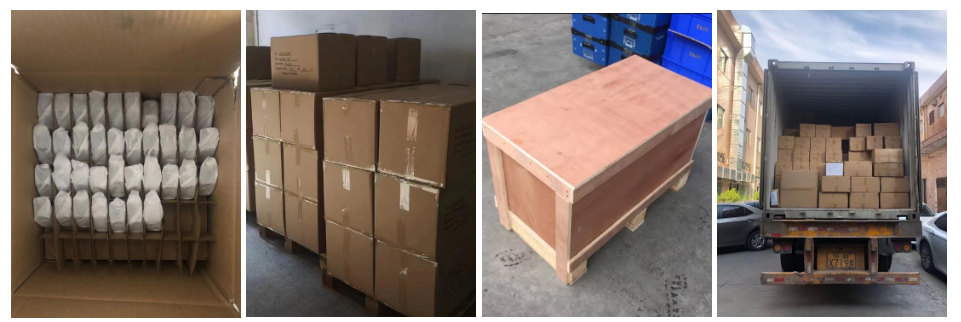
Bubble bag & Cardboard K=K Carton Box Pallet/ Wooden Box

Hot Tags: pp plastic electronic housing, China pp plastic electronic housing manufacturers, suppliers, factory, injection molding, PP Plastic Electronic Housing, PP Plastic Bicycle Accessories, PP Plastic Car Accessories, pp injection molding, PP Plastic Massager Accessories


