


PP Plastic Bicycle Accessories: Lightweight and Durable Solutions for Cyclists
In the world of cycling, the choice of materials for bicycle accessories plays a crucial role in performance, durability, and overall user experience. Polypropylene (PP) plastic has emerged as a popular material for manufacturing bicycle accessories due to its unique combination of lightweight properties, durability, and cost-effectiveness. This article explores the benefits and applications of PP plastic in the production of bicycle accessories.
Lightweight Design
One of the standout features of PP plastic is its lightweight nature. For cyclists, reducing the weight of their equipment is often a top priority, as it directly impacts speed, agility, and energy efficiency. PP plastic accessories, such as water bottle holders, mudguards, and saddle covers, are significantly lighter than those made from traditional materials like metal or heavy-duty plastics. This makes them an excellent choice for both recreational riders and competitive cyclists looking to optimize their gear.
01
Durability and Weather Resistance
PP plastic is known for its excellent resistance to impact, moisture, and UV rays. This makes it ideal for bicycle accessories that are exposed to harsh outdoor conditions. For example, PP plastic mudguards can withstand rain, mud, and debris without cracking or warping, ensuring long-lasting performance. Similarly, water bottle holders made from PP plastic are highly durable and can endure repeated use and exposure to the elements.
02
Cost-Effectiveness
Compared to other materials, PP plastic is relatively affordable to produce, making it a cost-effective option for both manufacturers and consumers. This affordability allows cyclists to access high-quality accessories without breaking the bank. Additionally, the durability of PP plastic ensures that these accessories provide excellent value for money over time, as they require minimal maintenance and have a long lifespan.
03
Versatility in Design
PP plastic is highly versatile and can be molded into a wide range of shapes and sizes. This flexibility allows manufacturers to create accessories that are not only functional but also aesthetically pleasing. For instance, PP plastic can be used to produce sleek and stylish fenders, ergonomic grips, and even custom-designed saddle bags. The material's ability to be colored and textured further enhances its appeal, enabling cyclists to personalize their bikes to match their preferences.
04
Eco-Friendly Options
With growing awareness of environmental sustainability, many manufacturers are now producing PP plastic accessories using recycled materials. Recycled PP plastic retains the same beneficial properties as virgin PP plastic while reducing waste and conserving resources. This makes it an eco-friendly choice for environmentally conscious cyclists.
05
Applications of PP Plastic in Bicycle Accessories
PP plastic is used in a variety of bicycle accessories, including:
- Mudguards/Fenders: Lightweight and durable, perfect for protecting cyclists from mud and water splashes.
- Water Bottle Holders: Easy to clean and resistant to wear and tear.
- Saddle Covers: Comfortable and weather-resistant, providing added protection for bike seats.
- Grips and Handlebar Accessories: Ergonomic designs that enhance comfort and control.
- Storage Solutions: Saddlebags and panniers that are lightweight yet sturdy enough to carry essentials.
PP plastic has revolutionized the bicycle accessory industry by offering lightweight, durable, and cost-effective solutions. Its versatility and eco-friendly potential further cement its position as a material of choice for cyclists worldwide. Whether you're a casual rider or a seasoned competitor, PP plastic accessories can enhance your cycling experience while meeting your practical and aesthetic needs. So, the next time you're upgrading your bike, consider the benefits of PP plastic accessories-they might just be the perfect fit for your ride.
Injection Process flow
The complete injection process includes:
1. Preparation before molding;
2. Injection process;
3. Post-processing of products.
Preparation before molding
In order to make injection molding go smoothly and ensure the quality of products, a series of preparations such as raw material pre treatment, barrel cleaning, insert preheating and mold release agent selection are required before production.
Injection process
The injection process generally includes: feeding - plasticization - injection - cooling - demolding.
Feeding
Since injection molding is an intermittent process, quantitative (constant volume) feeding is required to ensure stable operation, uniform plasticization of plastics, and finally obtain high-quality plastic parts.
Plasticization
The molding material is heated, compacted and mixed in the barrel of the injection machine, and is transformed from a loose powder or granular solid into a continuous homogenized melt.
Injection
Starting from the metering position in the barrel, the plunger or screw applies high pressure through the injection cylinder and piston to quickly send the plasticized plastic melt into the closed mold cavity through the nozzle at the front end of the barrel and the pouring system in the mold. Injection can be further divided into three stages: flow filling, pressure holding and shrinkage compensation, and backflow.
Cooling
When the plastic in the pouring system has frozen, it is no longer necessary to continue to hold the pressure, so the plunger or screw can be returned to remove the pressure of the plastic melt in the barrel, and new material can be added. At the same time, cooling water, oil or air and other cooling media are introduced into the mold to further cool the mold. This stage is called cooling after the gate freezes. In fact, the cooling process starts when the plastic melt is injected into the cavity, which includes the period from filling the mold, holding the pressure to demolding.
Demolding
When the plastic part cools to a certain temperature, the mold can be opened and the plastic part can be pushed out of the mold by the ejection mechanism.
Post-processing of products
1. Annealing: eliminate residual stress;
2. Humidity adjustment: stabilize the color, performance and size of the plastic part.
Silicone injection molding:
1. Comparison between injection molding and traditional molding:
2. Current solid silicone rubber production process diagram
3. Injection molding production process diagram:
Conclusion: Compared with solid molding, injection molding reduces a large number of production processes, reduces the need for a large part of workers, shortens the process time, greatly increases production, and completely avoids product quality deviations caused by manual operations before product molding!
Mutual Influence
A. Influence of temperature
1. Material temperature
The processing temperature of plastic is controlled by the barrel of the injection machine. The correct choice of barrel temperature is related to the plasticization quality of plastic. The principle is to ensure smooth injection molding without causing local degradation of plastic. Usually, the maximum temperature at the end of the barrel should be higher than the flow temperature (or melting temperature) of the plastic, but lower than the decomposition temperature of the plastic.
In production, in addition to strictly controlling the maximum temperature of the injection machine barrel, the residence time of the plastic melt in the barrel should also be controlled. When determining the barrel temperature, the structural characteristics of the product and the mold should also be considered. When molding thin-walled or complex-shaped products, the flow resistance is large, and increasing the barrel temperature helps to improve the fluidity of the melt.
Usually, the maximum temperature of the nozzle is controlled to be slightly lower than the maximum temperature of the barrel to prevent the melt from flowing at the nozzle mouth.
2. Mold temperature
During the injection molding process, the mold temperature is controlled by the cooling medium (usually water), which determines the cooling rate of the plastic melt. The lower the mold temperature, the faster the cooling rate, and the faster the melt temperature drops, resulting in increased melt viscosity and increased injection pressure loss. In severe cases, it may even cause insufficient mold filling. As the mold temperature increases, the melt fluidity increases, the required mold filling pressure decreases, and the surface quality of the product improves; but due to the increase in cooling time, the productivity of the product decreases, and the molding shrinkage of the product increases.
For crystalline plastics, since higher temperatures are conducive to crystallization, increasing the mold temperature can increase the density or structural crystallinity of the product. At higher mold temperatures, the relaxation process of polymer macromolecules in the product is faster, and the molecular orientation effect and internal stress will be reduced.
3. Effect of pressure
The pressure in the injection molding process includes plasticizing pressure, injection pressure and cavity pressure.
Plasticizing pressure, also known as back pressure, refers to the pressure on the melt at the top of the injection machine screw when the screw rotates and retreats. It is controlled by adjusting the return oil resistance of the injection hydraulic cylinder. The plasticizing pressure increases the internal pressure of the melt and strengthens the shearing effect. Due to the shearing heat of the plastic, the temperature of the melt is increased. The increase in plasticizing pressure slows down the screw retraction speed, prolongs the heating time of the plastic in the screw, and the plasticizing quality can be improved; but excessive plasticizing pressure also increases the backflow and leakage of the melt in the barrel metering chamber, reduces the conveying capacity of the melt, reduces the plasticizing amount, increases power consumption, and excessive plasticizing pressure will cause shearing heat or excessive shear stress, and the melt is prone to degradation.
Injection pressure refers to the melt pressure generated at the screw head during injection. When selecting injection pressure, the injection pressure allowed by the injection molding machine should be considered first. Only when the injection pressure is too low will the cavity pressure be insufficient and the melt cannot fill the cavity smoothly; on the contrary, if the injection pressure is too high, it will not only cause product leakage, but also cause product deformation and even system overload.
Injection pressure and melt temperature are mutually restricted during the injection process. Only when the material temperature is high can a satisfactory result be obtained under the combination of the required injection pressure and material temperature.
Cavity pressure refers to the melt pressure generated in the mold cavity after the injection pressure passes through the pressure loss of the nozzle, runner and gate.
4. Injection molding cycle and injection speed
The time required to complete an injection molding is called the injection molding cycle, which includes the time for feeding, heating, filling, holding pressure, cooling, as well as the time for opening, demolding, closing and auxiliary operations. In the entire injection molding cycle, the injection speed and cooling time have a decisive influence on the performance of the product.
The injection speed mainly affects the flow behavior of the melt in the cavity. Usually, with the increase of injection speed, the melt flow rate increases and the shear effect is strengthened; the melt temperature increases due to shear heating and the viscosity decreases, so it is conducive to filling the mold. And the strength of the fusion line of each part of the product is also increased. However, due to the increase in injection speed, the melt may change from a laminar fluid state to a flow. In severe cases, it will cause the melt to be ejected in the mold, causing the air in the mold to be unable to be discharged. This part of the air is compressed under high pressure and the temperature rises, which will cause local burning or decomposition of the product.
Company Profile
BSH was established in 2015. Our company located in Songgang Town, Baoan district, Shenzhen, China.We are mold designer,provide additional services ( CNC machining, MIM ,Injection,die casting ,polishing, deburring, sanding, drilling, tapping and so on ) To meet our customer's specifications. We also supply all kinds of surface treatment(painting, anodizing, power coating ,sand blast, chrome plating etc.). Now the factory is with 5000 square meter, company total assets is 15 million RMB ,and a staff of nearly 150 members and workers, among which there are 12 engineers and over 50 senior technicians, who can make 3D designing and technical drawings with CAD/ CAM/ CAE according to our customers' requirements , and use CNC Processing Center, EDM center, 3-coordinate measurer, NC imitating milling machine, large precision EDM, high-speed milling machines, spot machine, wiring machine and so on.

Hot-Sale Products


Test Equipment


Packing & Delivery
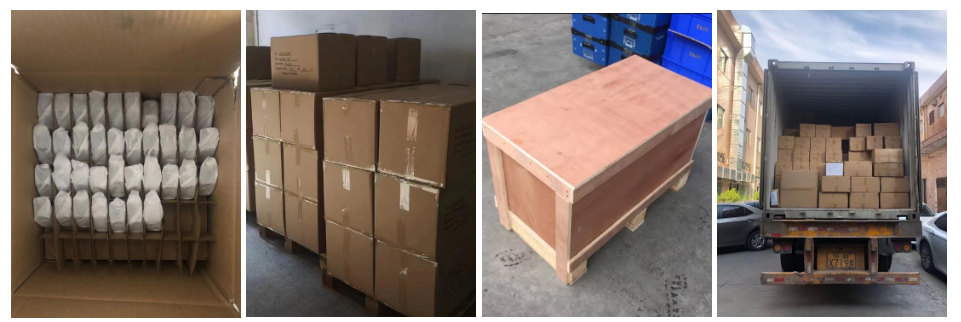
Bubble bag & Cardboard K=K Carton Box Pallet/ Wooden Box

Why Choose Us
Our Advantages in Injection Molding Products
In the field of injection molding product manufacturing, we possess significant advantages that make us a trusted and preferred partner for our clients. Below are our key strengths:
1. Advanced Technology and Equipment
We are equipped with world-leading injection molding machines and intelligent production lines, ensuring high precision and consistency in our products. Whether it's complex designs or large-scale production, we can deliver efficiently.
2. Extensive Material Options
We offer a wide range of injection molding materials, including engineering plastics, thermoplastic elastomers, and custom composite materials, catering to the needs of various industries and applications. Our expert team can recommend the best materials based on specific client requirements.
3. Rigorous Quality Control
We have established a comprehensive quality management system, with every stage-from raw material procurement to finished product delivery-undergoing strict inspections. We have obtained multiple international quality certifications, ensuring our products meet global standards.
4. Responsive Service
We understand that time is a competitive advantage, which is why we provide rapid prototyping and flexible production cycles. Our technical team can quickly respond to client needs, offering customized solutions.
5. Environmental Sustainability
We prioritize environmental protection by utilizing energy-efficient equipment and recyclable materials, reducing carbon emissions during production. We are committed to providing clients with green and sustainable injection molding solutions.
6. Professional R&D Team
Our R&D team consists of experienced engineers and designers who can tackle complex technical challenges while continuously optimizing product design and production processes, creating higher added value for clients.
7. Global Supply Chain
We have a robust global supply chain network, enabling efficient management and delivery of international orders. This ensures clients can access high-quality products and services anywhere in the world.
8. Exceptional Customer Service
We are customer-centric, offering one-stop services from consultation and design to after-sales support. We maintain close communication with our clients to ensure every project is completed efficiently and successfully.
Hot Tags: pp plastic bicycle accessories, China pp plastic bicycle accessories manufacturers, suppliers, factory, PP Plastic Electronic Housing, PP Plastic Motorcycle Accessories, PP Plastic Car Accessories, PP Plastic Massager Accessories, injection molding, PP Plastic Bicycle Accessories


