


As a Plastic Mold Maker supplier, I've seen firsthand how crucial it is for molds to resist wear and tear. In the world of plastic molding, a mold's ability to withstand the rigors of production can make or break a project. So, how do we ensure that our molds are up to the task? Let's dive in.
Material Selection: The Foundation of Durability
The first step in creating a wear - resistant mold is choosing the right materials. We don't just pick any old steel; we carefully select high - quality tool steels that are known for their hardness and toughness. For example, H13 steel is a popular choice in the industry. It offers excellent heat resistance and can handle the high pressures and temperatures involved in plastic injection molding.
When we're deciding on a material, we also consider the type of plastic that will be used in the molding process. Some plastics are more abrasive than others, and if we're dealing with a highly abrasive plastic, we might opt for a steel with a higher chromium content. This helps to form a hard, wear - resistant surface on the mold.
Surface Treatments: Adding an Extra Layer of Protection
Once we've selected the right material, it's time to give the mold an extra boost in terms of wear resistance through surface treatments. One common method is nitriding. Nitriding involves introducing nitrogen into the surface of the steel, creating a hard, wear - resistant layer. This layer can significantly reduce the amount of wear on the mold, especially in areas that come into direct contact with the plastic.
Another popular surface treatment is chrome plating. Chrome plating provides a smooth, hard surface that not only resists wear but also makes it easier to eject the molded parts from the mold. It also helps to prevent corrosion, which can weaken the mold over time.
Precision Machining: Ensuring a Perfect Fit
Precision machining is key to creating a mold that resists wear and tear. When we machine a mold, we aim for the highest level of accuracy. Any small imperfections in the mold's surface can lead to uneven wear. For example, if the walls of the mold cavity are not perfectly straight, the plastic may flow unevenly, causing excessive wear in certain areas.
We use state - of - the - art CNC machining technology to ensure that every part of the mold is machined to the exact specifications. This not only improves the mold's wear resistance but also enhances the quality of the molded parts.
Design Considerations: Reducing Stress Points
The design of the mold plays a significant role in its wear resistance. We always try to design molds in a way that reduces stress points. For instance, sharp corners and edges can cause stress concentrations, which can lead to premature wear. Instead, we use rounded corners and smooth transitions in our designs.

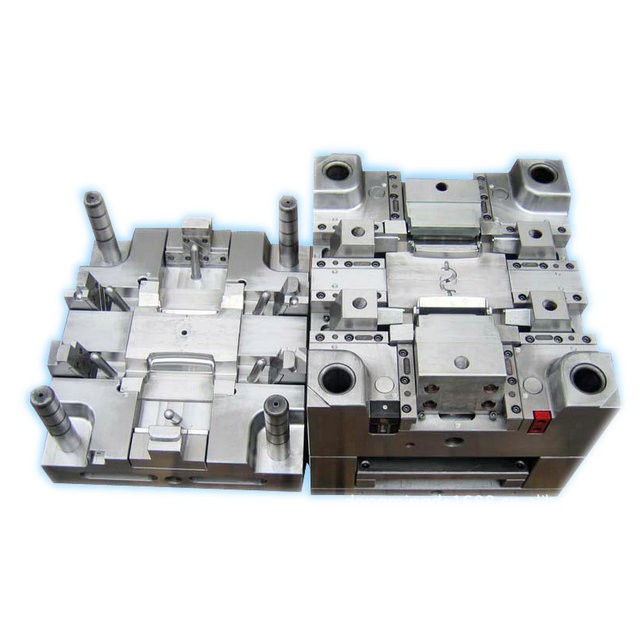
We also consider the flow of the plastic within the mold. A well - designed mold will have a balanced flow of plastic, which helps to distribute the pressure evenly and reduces wear on the mold. Additionally, we design the mold to have proper venting. This allows air to escape during the molding process, preventing air pockets that can cause defects in the molded parts and also reduce wear on the mold.
Testing and Quality Control: Catching Issues Early
Before we send a mold out to our customers, we conduct thorough testing and quality control checks. We use advanced inspection equipment to measure the dimensions of the mold and check for any surface defects. We also run test shots to ensure that the mold is producing high - quality parts and that there are no signs of excessive wear.
If we detect any issues during the testing process, we address them immediately. This could involve making adjustments to the mold's design, surface treatment, or machining process. By catching issues early, we can ensure that the mold will have a long and productive life.
Mold Maintenance and Usage Considerations
Proper maintenance and usage are also essential for ensuring a mold's resistance to wear and tear. We provide our customers with detailed instructions on how to maintain their molds. This includes regular cleaning, lubrication, and inspection. For more information on Mold Maintenance and Usage Considerations, you can visit our website.
When it comes to usage, we recommend that our customers follow the recommended operating parameters for the mold. This includes using the correct temperature, pressure, and cycle time. Over - or under - using the mold can lead to premature wear.
Industry - Specific Solutions
In some industries, such as the production of Liquid Silicone Injection Mold, there are specific requirements for mold wear resistance. Liquid silicone is a unique material that has its own set of challenges. We have developed specialized techniques and materials to ensure that our molds can withstand the demands of liquid silicone injection molding.
For example, we use special coatings that are resistant to the chemical properties of liquid silicone. These coatings help to prevent the silicone from sticking to the mold and also reduce wear on the mold surface.
Continuous Improvement: Staying Ahead of the Curve
The world of plastic molding is constantly evolving, and we're always looking for ways to improve our molds' wear resistance. We invest in research and development to explore new materials, surface treatments, and design techniques. By staying ahead of the curve, we can offer our customers the most wear - resistant molds on the market.
We also listen to our customers' feedback. They are the ones using the molds in their production processes, and their insights are invaluable. We use this feedback to make continuous improvements to our products and services.
Conclusion
Ensuring a mold's resistance to wear and tear is a multi - faceted process that involves material selection, surface treatments, precision machining, design considerations, testing, maintenance, and continuous improvement. As a Plastic Mold Maker supplier, we are committed to providing our customers with high - quality, wear - resistant molds that will meet their production needs.
If you're in the market for a plastic mold and want to learn more about how we can ensure its wear resistance, don't hesitate to reach out. We're here to help you with all your plastic molding needs. Let's start a conversation about your project and see how we can work together to create the perfect mold.
References
- "Tool and Die Making Handbook"
- "Plastic Injection Molding Technology"
- Industry research papers on mold wear resistance


