


As a seasoned zinc alloy die casting supplier, I often encounter inquiries from clients about the duration of the zinc alloy die casting process. Understanding the time requirements is crucial for project planning, budgeting, and overall production management. In this blog, I'll delve into the factors that influence the time taken for zinc alloy die casting and provide a comprehensive overview of the process timeline.
The Zinc Alloy Die Casting Process: An Overview
Zinc alloy die casting is a manufacturing process that involves forcing molten zinc alloy into a mold cavity under high pressure. This process is widely used to produce complex and high - precision parts with excellent surface finish. The die casting process generally consists of several key stages: mold design and fabrication, melting and preparation of the zinc alloy, injection of the molten metal into the die, cooling and solidification, and finally, post - processing.
Factors Affecting the Duration of the Zinc Alloy Die Casting Process
1. Mold Design and Fabrication
The first step in the zinc alloy die casting process is the design and fabrication of the mold. This is a critical stage that can significantly impact the overall production time. A well - designed mold ensures high - quality castings and efficient production.
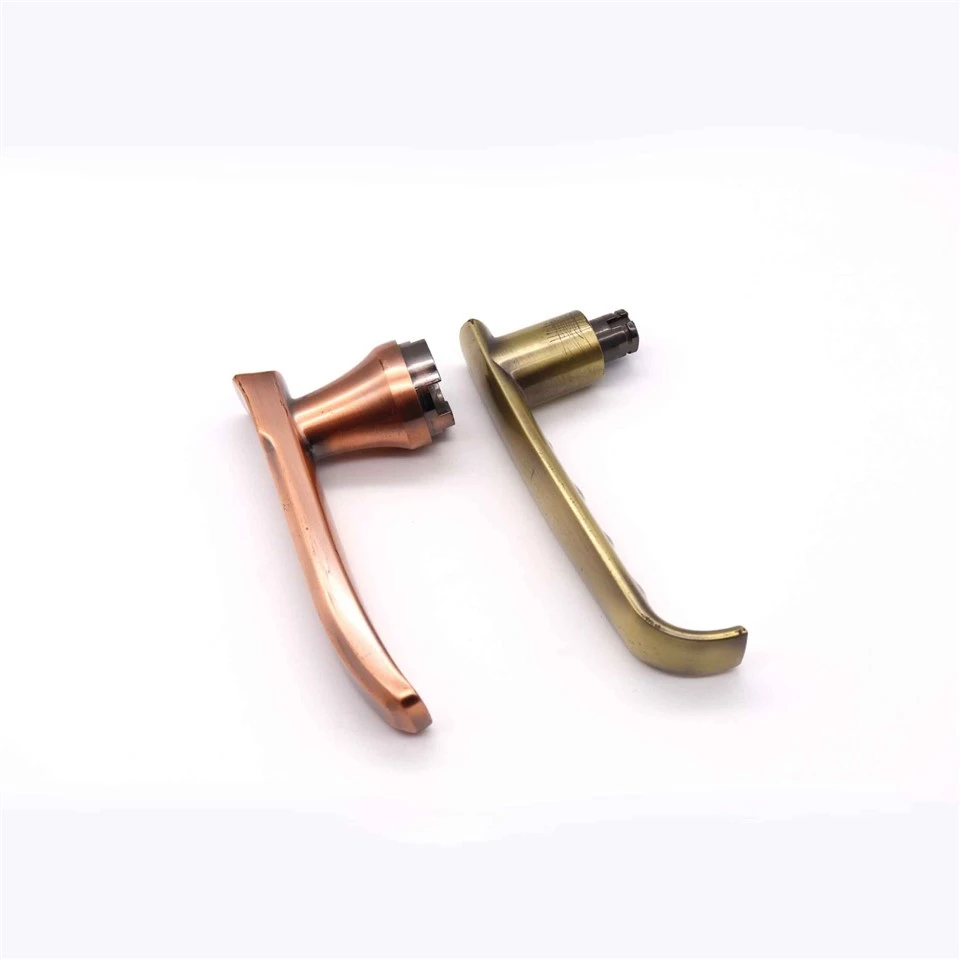
- Complexity of the Design: If the part has a complex shape with intricate details, the mold design will be more challenging and time - consuming. For example, a Zinc Alloy Die Casting Handle with unique curves and patterns will require more precise mold design compared to a simple, straight - shaped handle.
- Mold Material and Manufacturing Method: The choice of mold material and the manufacturing method also affect the time. High - quality mold materials, such as tool steel, may take longer to machine but can provide better durability and performance. Advanced manufacturing techniques, like CNC machining, can improve precision but may also extend the production time. On average, mold design and fabrication can take anywhere from a few days to several weeks, depending on the complexity.
2. Melting and Preparation of the Zinc Alloy
Once the mold is ready, the next step is to melt and prepare the zinc alloy.
- Alloy Composition: Different zinc alloy compositions have different melting points and melting times. Some alloys may require specific additives or treatments to achieve the desired properties, which can add to the preparation time. For example, alloys used in Zinc Alloy Decorations may need to be carefully formulated to ensure a smooth and shiny surface finish.
- Melting Equipment and Capacity: The type and capacity of the melting equipment also play a role. Larger melting furnaces can handle more material at once but may take longer to heat up. Typically, the melting and preparation process can take a few hours, depending on the quantity and type of alloy.
3. Injection of the Molten Metal into the Die
After the zinc alloy is melted, it is injected into the mold cavity under high pressure.
- Injection Speed and Pressure: The injection speed and pressure need to be carefully controlled to ensure proper filling of the mold. Higher injection speeds can reduce the filling time but may also cause turbulence and defects in the casting. The optimal injection parameters are determined based on the part design and the alloy properties. The injection process itself usually takes only a few seconds to a minute.
4. Cooling and Solidification
Once the molten metal is injected into the mold, it needs to cool and solidify.

- Part Thickness: Thicker parts take longer to cool and solidify compared to thinner ones. For example, a thick - walled zinc alloy component will require more time for the heat to dissipate and the metal to solidify completely.
- Cooling System: An efficient cooling system can significantly reduce the cooling time. Water - cooled molds are commonly used to speed up the cooling process. Cooling and solidification can take anywhere from a few seconds to several minutes, depending on the part size and thickness.
5. Post - processing
After the casting has solidified, it undergoes post - processing operations such as trimming, deburring, surface finishing, and heat treatment.
- Post - processing Requirements: The extent of post - processing depends on the part requirements. For example, Zinc Alloy Die Casting Handicrafts Processing Technology often involves more elaborate surface finishing techniques like polishing, plating, or painting to enhance the aesthetic appeal. These additional steps can add hours or even days to the overall production time.
Estimating the Total Time
The total time for the zinc alloy die casting process can vary widely depending on the factors mentioned above. For a simple part with a straightforward design and minimal post - processing requirements, the entire process, from mold design to the final product, can take as little as a week. However, for complex parts with high - precision requirements and extensive post - processing, it can take several weeks or even months.
Tips to Reduce the Production Time
- Early Planning and Communication: Work closely with your die casting supplier from the early stages of the project. Provide detailed design specifications and requirements to ensure efficient mold design and production planning.
- Optimize the Design: Simplify the part design whenever possible without sacrificing functionality. This can reduce the mold design and fabrication time.
- Choose the Right Alloy: Select a zinc alloy that meets the performance requirements while also having favorable melting and processing characteristics.
- Streamline Post - processing: Minimize unnecessary post - processing steps. Focus on essential operations that are required for the part's functionality and appearance.
Conclusion
The duration of the zinc alloy die casting process is influenced by multiple factors, including mold design, alloy preparation, injection, cooling, and post - processing. As a zinc alloy die casting supplier, I understand the importance of providing accurate time estimates and delivering high - quality products within the agreed - upon time frame. Whether you are looking for Zinc Alloy Die Casting Handles, Zinc Alloy Decorations, or other zinc alloy products, our team is dedicated to providing efficient and reliable die casting solutions.
If you are interested in our zinc alloy die casting services, we encourage you to contact us for a detailed consultation and quote. Our experienced team will work with you to understand your specific requirements and develop a customized production plan that meets your time and budget constraints.
References
- "Die Casting Handbook" by Randall M. German
- "Zinc Alloy Die Casting Technology" by various industry experts


