

Hey there! As a zinc alloy die casting supplier, I've seen firsthand how crucial it is to pick the right die-casting machine. It can make or break your production process, affecting everything from the quality of your products to your bottom line. So, let's dive into how you can choose the perfect die-casting machine for zinc alloy die casting.
Understanding Your Production Needs
First things first, you gotta figure out what your production requirements are. Think about the size and complexity of the parts you'll be making. If you're producing small, intricate components like Zinc Alloy Decorations, you'll need a machine that can handle high precision. On the other hand, if you're working on larger parts, you'll need a machine with enough clamping force to hold the mold in place.
Another thing to consider is your production volume. Are you making a few hundred parts a week or thousands? If you're looking at high-volume production, you'll want a machine that can operate quickly and efficiently. Some machines are designed for rapid cycle times, which can significantly increase your output. But if you're doing low-volume, custom work, you might prioritize flexibility over speed.
Types of Die-Casting Machines
There are two main types of die-casting machines for zinc alloy: hot chamber and cold chamber. Each has its own pros and cons, so it's important to understand which one is right for your needs.
Hot Chamber Machines
Hot chamber machines are great for zinc alloy because they're designed to work with low-melting-point metals. In a hot chamber machine, the melting pot is integrated into the machine, and the molten metal is injected directly into the mold. This setup allows for fast cycle times, making it ideal for high-volume production.
One of the biggest advantages of hot chamber machines is their simplicity. They're easier to operate and maintain compared to cold chamber machines. However, they're not suitable for all applications. Since the melting pot is constantly in contact with the molten metal, there's a risk of corrosion over time. Also, hot chamber machines are generally limited to smaller parts due to their lower clamping force.
Cold Chamber Machines
Cold chamber machines are used for metals with higher melting points, but they can also be used for zinc alloy in certain situations. In a cold chamber machine, the molten metal is ladled into a separate chamber before being injected into the mold. This setup allows for greater control over the injection process, making it suitable for larger and more complex parts.
Cold chamber machines have a higher clamping force than hot chamber machines, which means they can handle bigger molds and produce larger parts. They're also more resistant to corrosion since the melting pot is not in constant contact with the molten metal. However, cold chamber machines have longer cycle times and are more complex to operate and maintain.
Machine Specifications
Once you've decided on the type of machine, it's time to look at the specific specifications. Here are some key factors to consider:
Clamping Force
Clamping force is the amount of force the machine can apply to hold the mold closed during the injection process. It's measured in tons, and you'll need to choose a machine with enough clamping force to handle your mold size and the pressure of the molten metal. If the clamping force is too low, the mold may not close properly, resulting in flash or other defects in your parts.
Injection Pressure
Injection pressure is the force used to inject the molten metal into the mold. It's important to choose a machine with enough injection pressure to fill the mold completely, especially for complex or thin-walled parts. However, too much injection pressure can also cause problems, such as mold damage or excessive wear on the machine.
Shot Size
Shot size refers to the amount of molten metal the machine can inject into the mold in one cycle. You'll need to choose a machine with a shot size that matches the size of your parts. If the shot size is too small, you won't be able to fill the mold completely. If it's too large, you'll waste metal and increase your production costs.
Cycle Time
Cycle time is the time it takes for the machine to complete one full cycle, from the injection of the molten metal to the ejection of the finished part. A shorter cycle time means higher production output, but it's important to balance speed with quality. Some machines can be adjusted to optimize cycle time based on your specific requirements.
Quality and Reliability
When choosing a die-casting machine, quality and reliability are non-negotiable. You want a machine that will last for years and require minimal maintenance. Look for a machine from a reputable manufacturer with a proven track record in the industry. Read reviews and talk to other zinc alloy die casting suppliers to get their recommendations.
A high-quality machine will also come with a warranty and good customer support. This can give you peace of mind knowing that you'll have help if something goes wrong. Make sure to ask about the manufacturer's after-sales service and availability of spare parts.
Cost
Cost is always a factor when making a major purchase like a die-casting machine. However, it's important to look beyond the initial price tag and consider the total cost of ownership. This includes the cost of maintenance, energy consumption, and any additional equipment or tooling you'll need.

A cheaper machine may seem like a good deal at first, but it could end up costing you more in the long run if it requires frequent repairs or has high energy consumption. On the other hand, a more expensive machine may have a higher upfront cost, but it could save you money in the long term due to its reliability and efficiency.
Training and Support
Finally, don't forget about training and support. Operating a die-casting machine requires skill and knowledge, so it's important to choose a manufacturer that offers comprehensive training for your staff. This can help ensure that your machine is operated safely and efficiently, reducing the risk of accidents and downtime.
In addition to training, look for a manufacturer that provides ongoing support. This could include technical assistance, troubleshooting, and access to spare parts. Having a reliable support team can make a big difference in the performance of your machine and the success of your business.
Conclusion
Choosing the right die-casting machine for zinc alloy die casting is a big decision, but it doesn't have to be overwhelming. By understanding your production needs, considering the type of machine, looking at the specific specifications, and evaluating quality, reliability, cost, and support, you can make an informed choice that will benefit your business in the long run.
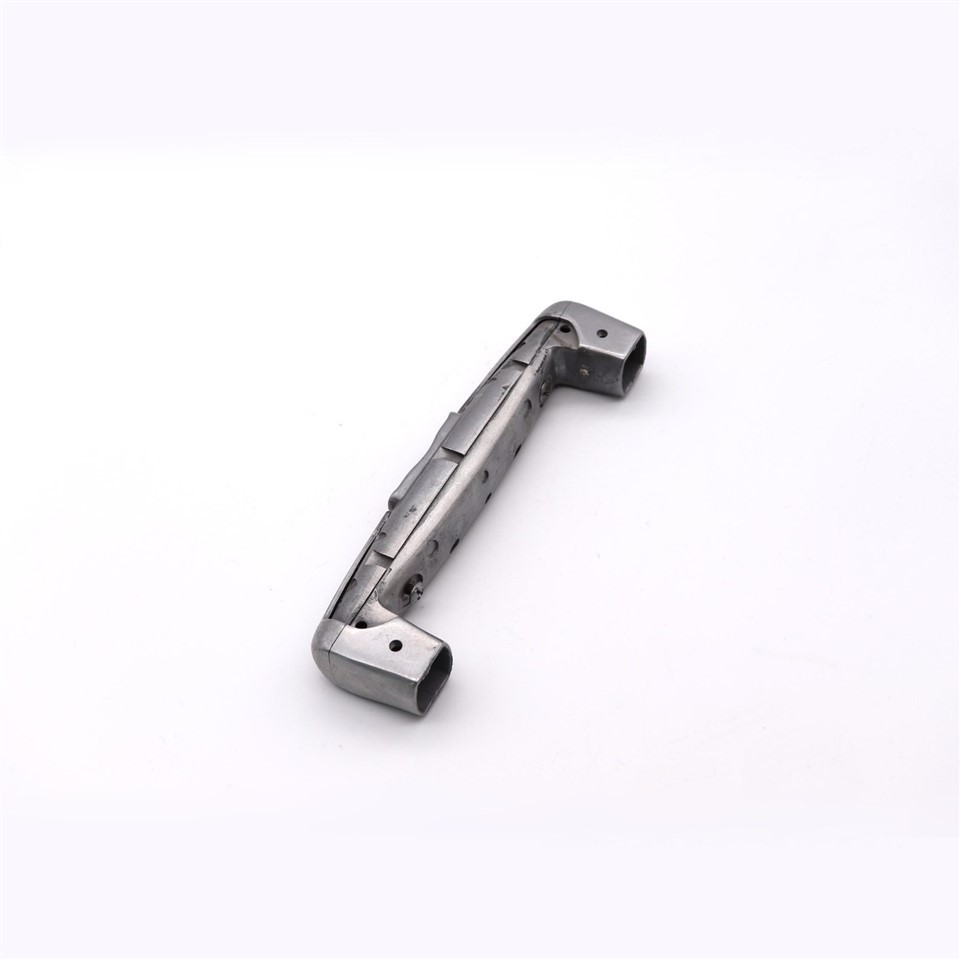
If you're in the market for a die-casting machine or have any questions about zinc alloy die casting, feel free to reach out. We're here to help you find the perfect solution for your needs. Whether you're looking to produce Zinc Alloy Die Casting Handle or explore Zinc Alloy Die Casting Handicrafts Processing Technology, we've got the expertise and experience to support you. Let's start a conversation and see how we can work together to take your zinc alloy die casting to the next level.
References
- ASM Handbook Committee. (2008). ASM Handbook, Volume 15: Casting. ASM International.
- Campbell, J. (2003). Castings. Butterworth-Heinemann.
- Groover, M. P. (2010). Fundamentals of Modern Manufacturing: Materials, Processes, and Systems. Wiley.


