


When it comes to zinc alloy die casting parts, one crucial property that often comes under scrutiny is thermal conductivity. As a trusted zinc alloy die casting supplier, I've encountered numerous inquiries regarding this aspect. In this blog, I'll delve into the thermal conductivity of zinc alloy die casting parts, exploring its significance, influencing factors, and practical implications.
Understanding Thermal Conductivity
Thermal conductivity is a measure of a material's ability to conduct heat. It is defined as the quantity of heat that passes through a unit area of a material in a unit time when there is a unit temperature gradient across the material. The SI unit for thermal conductivity is watts per meter - kelvin (W/(m·K)).

For zinc alloy die casting parts, thermal conductivity plays a vital role in various applications. In industries such as electronics, where heat dissipation is a critical concern, components with high thermal conductivity can effectively transfer heat away from sensitive electronic elements, preventing overheating and ensuring the stable operation of the devices. Similarly, in automotive and aerospace applications, parts with appropriate thermal conductivity can help manage heat generated during engine operation or high - speed flight.
Thermal Conductivity of Zinc Alloys
Zinc alloys typically have a thermal conductivity in the range of 100 - 120 W/(m·K). This value can vary depending on the specific composition of the zinc alloy. For example, Zinc - Aluminum (Zn - Al) alloys are commonly used in die casting. The addition of aluminum to zinc can affect the thermal conductivity. Aluminum has a relatively high thermal conductivity of about 237 W/(m·K). When aluminum is added to zinc in appropriate proportions, it can enhance the overall thermal conductivity of the alloy to some extent.
However, other alloying elements such as copper, magnesium, and lead can also be present in zinc alloys, and their influence on thermal conductivity is more complex. Copper has a very high thermal conductivity (about 401 W/(m·K)). A small amount of copper added to a zinc alloy may increase the thermal conductivity, but if the copper content is too high, it can change the microstructure of the alloy and potentially reduce the thermal conductivity due to factors like increased scattering of heat - carrying electrons.
Factors Affecting the Thermal Conductivity of Zinc Alloy Die Casting Parts
1. Alloy Composition
As mentioned earlier, the type and proportion of alloying elements are significant factors. Different elements have different atomic structures and bonding characteristics, which affect the movement of heat - carrying particles (such as electrons and phonons) within the material. For instance, magnesium can strengthen the alloy but may also introduce lattice defects that can impede the flow of heat, thus reducing thermal conductivity.
2. Microstructure
The microstructure of the zinc alloy die casting part is another crucial factor. During the die - casting process, the cooling rate can significantly affect the microstructure. A fast cooling rate can result in a fine - grained microstructure. Smaller grains can scatter heat - carrying particles more effectively, which may reduce the thermal conductivity compared to a coarser - grained structure. Additionally, the presence of phases such as intermetallic compounds in the microstructure can also influence thermal conductivity. These compounds often have different thermal properties from the base zinc alloy, and their distribution and quantity can impact the overall heat - conduction ability of the part.
3. Porosity
Porosity is a common issue in die - casting parts. Pores in the material act as barriers to heat transfer. They disrupt the continuous path for heat - carrying particles, reducing the effective cross - sectional area available for heat conduction. Higher porosity levels in zinc alloy die casting parts generally lead to lower thermal conductivity. The porosity can be affected by factors such as the die - casting process parameters (e.g., injection pressure, temperature), the design of the die, and the quality of the raw materials.
Practical Implications in Different Applications
Electronics
In the electronics industry, zinc alloy die casting parts are used in enclosures, heat sinks, and other components. For example, a zinc alloy die - cast enclosure for a smartphone can help dissipate heat generated by the internal components. If the thermal conductivity of the zinc alloy is high, it can quickly transfer the heat from the inside of the phone to the outside environment, preventing the phone from overheating. This is especially important as modern smartphones are becoming more powerful and generate more heat. We offer Zinc Alloy Die - Cast Decorative Accessories that can also serve functional purposes in electronics, with careful consideration of thermal conductivity to ensure optimal performance.
Automotive
In automotive applications, zinc alloy die casting parts can be found in engine components, transmission systems, and interior fittings. Engine components need to withstand high temperatures and effectively manage heat. A zinc alloy die - cast engine part with good thermal conductivity can help maintain a stable operating temperature, improving the efficiency and longevity of the engine. Our Zinc Alloy Decorations used in automotive interiors not only add aesthetic value but also need to be able to handle any heat generated from nearby electrical or mechanical components.
Furniture and Hardware
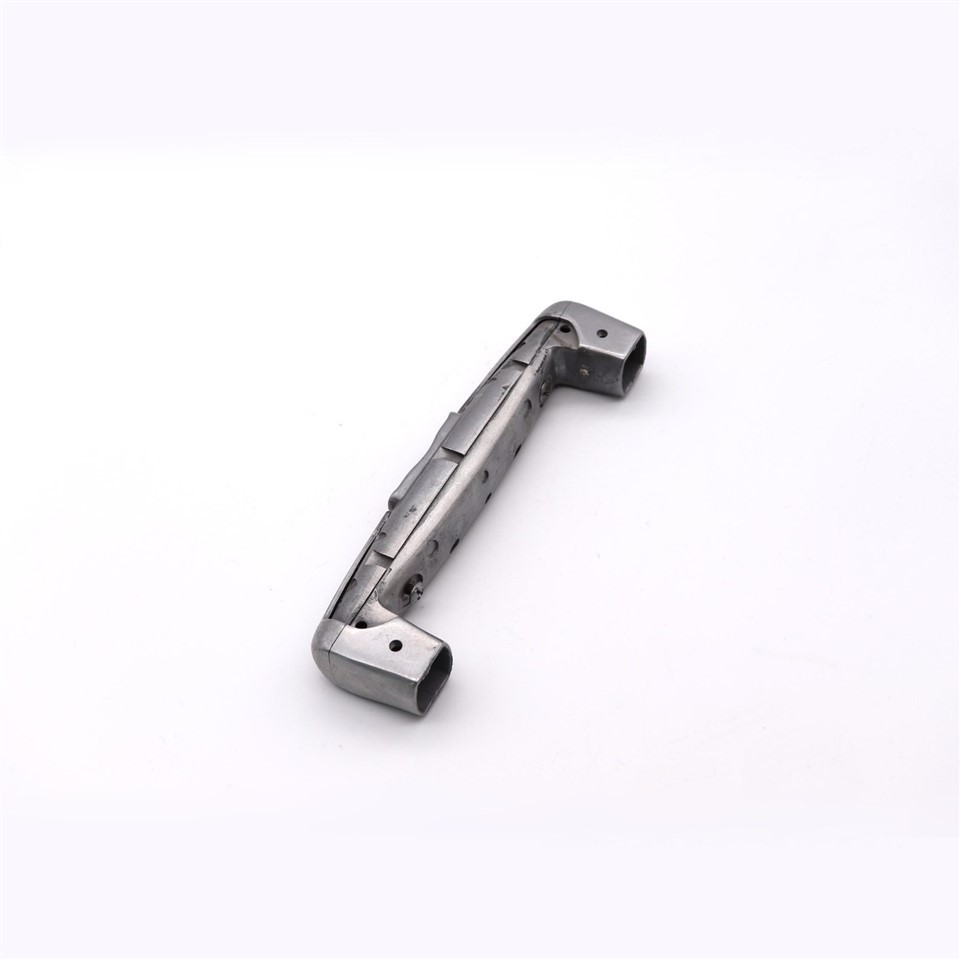
Zinc alloy die casting parts are widely used in furniture and hardware, such as Zinc Alloy Die Casting Handle. Although the heat generated in these applications is usually not as high as in electronics or automotive, thermal conductivity can still be relevant. For example, in a handle exposed to sunlight or in a warm environment, a handle with better thermal conductivity will feel cooler to the touch compared to one with poor thermal conductivity.
Quality Control and Testing of Thermal Conductivity
As a zinc alloy die casting supplier, we implement strict quality control measures to ensure that the thermal conductivity of our products meets the required standards. We use advanced testing methods such as the transient plane source (TPS) method. This method can accurately measure the thermal conductivity of materials in a relatively short time. By testing samples from each production batch, we can monitor the thermal conductivity and make adjustments to the production process if necessary.
We also conduct extensive research and development to optimize the alloy composition and die - casting process to improve the thermal conductivity of our products. Our team of experts continuously studies the relationship between alloy composition, microstructure, and thermal conductivity to develop new alloys and processes that can meet the evolving needs of our customers.
Conclusion
The thermal conductivity of zinc alloy die casting parts is a complex yet crucial property that impacts their performance in various applications. As a reliable zinc alloy die casting supplier, we are committed to providing high - quality products with consistent and appropriate thermal conductivity. Whether you are in the electronics, automotive, furniture, or other industries, our products can meet your specific requirements.
If you are interested in our zinc alloy die casting parts and want to discuss your specific needs regarding thermal conductivity or other properties, please feel free to contact us. We are eager to engage in procurement discussions and help you find the best solutions for your projects.
References
- ASM Handbook Volume 2: Properties and Selection: Nonferrous Alloys and Special - Purpose Materials.
- Metals Handbook Desk Edition, 3rd Edition.
- Research papers on zinc alloy die casting and thermal conductivity from scientific journals such as "Journal of Materials Science" and "Materials Science and Engineering: A".


