


As a supplier of Handcraft Plastic Molds, I've encountered numerous inquiries regarding the UV resistance of our products. In this blog post, I'll delve into what UV resistance means for handcraft plastic molds, the factors influencing it, and how it impacts their performance and longevity.
Understanding UV Resistance
UV resistance refers to a material's ability to withstand the damaging effects of ultraviolet (UV) radiation from the sun. UV radiation can cause a range of issues for plastic materials, including discoloration, embrittlement, loss of mechanical properties, and surface degradation. These changes not only affect the aesthetic appearance of the molds but can also compromise their functionality and durability.
For handcraft plastic molds, which are often used in various environments, including outdoor settings or under strong artificial lighting, UV resistance is a crucial characteristic. Molds with poor UV resistance may experience rapid deterioration, leading to inaccurate casting results, reduced mold lifespan, and increased production costs.
Factors Affecting UV Resistance of Handcraft Plastic Molds
Several factors influence the UV resistance of handcraft plastic molds:
1. Plastic Material
The type of plastic used in the mold manufacturing process plays a significant role in determining its UV resistance. Different plastics have varying levels of inherent resistance to UV radiation. For example, polycarbonate (PC) and acrylonitrile butadiene styrene (ABS) are known for their relatively good UV resistance compared to other plastics like polypropylene (PP) and polyethylene (PE).
2. Additives
Manufacturers can enhance the UV resistance of plastic molds by incorporating UV stabilizers and absorbers into the plastic formulation. These additives work by either absorbing or reflecting UV radiation, preventing it from reaching the plastic matrix and causing damage. The type and concentration of additives used can significantly impact the mold's UV resistance.
3. Colorants
The color of the plastic mold can also affect its UV resistance. Dark-colored plastics, especially black, tend to absorb more UV radiation than light-colored plastics. As a result, dark-colored molds may experience more rapid degradation under UV exposure. However, some colorants can also act as UV stabilizers, providing additional protection against UV damage.
4. Environmental Conditions
The intensity and duration of UV exposure, as well as other environmental factors such as temperature, humidity, and air pollution, can all influence the UV resistance of handcraft plastic molds. Molds exposed to high levels of UV radiation in hot and humid environments are more likely to experience accelerated degradation compared to those in milder conditions.
Assessing UV Resistance
To determine the UV resistance of handcraft plastic molds, several testing methods can be employed:
1. Accelerated Weathering Tests
Accelerated weathering tests simulate long-term outdoor exposure to UV radiation and other environmental factors in a controlled laboratory environment. These tests typically involve exposing the mold samples to high-intensity UV light, heat, and moisture for a specified period. The samples are then evaluated for changes in color, gloss, mechanical properties, and surface appearance.
2. Natural Weathering Tests
Natural weathering tests involve exposing the mold samples to actual outdoor conditions for an extended period. This method provides a more realistic assessment of the mold's UV resistance but requires a longer testing time. The samples are periodically inspected and evaluated for changes in performance and appearance.
3. Spectrophotometric Analysis
Spectrophotometric analysis can be used to measure the absorbance and transmittance of UV radiation by the plastic mold. This technique provides information about the mold's ability to absorb and reflect UV light, which can be correlated with its UV resistance.
Importance of UV Resistance in Handcraft Plastic Molds
UV resistance is essential for handcraft plastic molds for several reasons:
1. Aesthetic Appearance
Molds with good UV resistance maintain their original color and surface finish over time, ensuring consistent and high-quality casting results. This is particularly important for applications where the appearance of the final product is critical, such as in the production of decorative items and consumer goods.
2. Mechanical Properties
UV radiation can cause plastic materials to become brittle and lose their mechanical strength. Molds with poor UV resistance may crack or break during use, leading to production downtime and increased costs. By maintaining their mechanical properties, UV-resistant molds ensure reliable and efficient production processes.
3. Longevity
UV-resistant molds have a longer lifespan compared to those with poor UV resistance. This reduces the need for frequent mold replacement, resulting in cost savings for the manufacturer. Additionally, longer-lasting molds contribute to sustainable manufacturing practices by reducing waste generation.
Our Handcraft Plastic Molds and UV Resistance
At our company, we understand the importance of UV resistance in handcraft plastic molds. That's why we use high-quality plastics and advanced manufacturing techniques to ensure that our molds offer excellent UV resistance. Our Handcraft Plastic Molds are formulated with UV stabilizers and absorbers to provide long-lasting protection against UV damage.
In addition to UV resistance, our molds also offer other desirable properties such as high precision, durability, and ease of use. We have a wide range of mold designs and sizes to meet the diverse needs of our customers. Whether you're a hobbyist, a small business owner, or a large-scale manufacturer, we have the perfect mold solution for you.
Mold Maintenance and Usage Considerations
To maximize the UV resistance and lifespan of our handcraft plastic molds, it's important to follow proper maintenance and usage guidelines. Here are some tips:
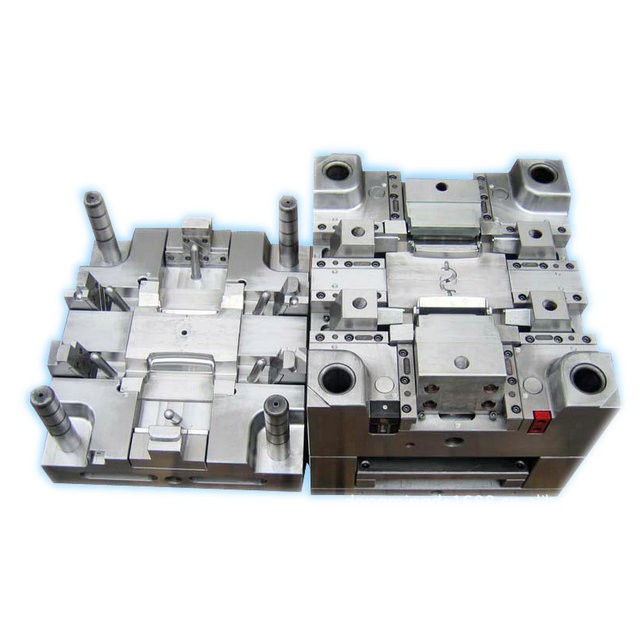

- Store Molds Properly: When not in use, store the molds in a cool, dry place away from direct sunlight. This helps to minimize UV exposure and prevent premature degradation.
- Clean Molds Regularly: Clean the molds after each use to remove any debris, dust, or residue that may accumulate on the surface. Use a mild detergent and a soft cloth to avoid scratching the mold.
- Avoid Abrasive Cleaning Tools: Do not use abrasive cleaning tools or harsh chemicals on the molds, as these can damage the surface and reduce the mold's UV resistance.
- Use Mold Release Agents: Apply a suitable mold release agent before each use to ensure easy demolding and prevent damage to the mold surface.
- Follow Recommended Usage Conditions: Use the molds within the recommended temperature and pressure ranges to avoid overheating or excessive stress, which can affect the mold's performance and UV resistance.
For more detailed information on mold maintenance and usage considerations, please refer to our Mold Maintenance and Usage Considerations page.
Related Products: Liquid Silicone Injection Mold
In addition to our handcraft plastic molds, we also offer Liquid Silicone Injection Mold solutions. Liquid silicone injection molding is a popular manufacturing process for producing high-quality, precision parts with excellent mechanical properties and chemical resistance. Our liquid silicone injection molds are designed to meet the specific requirements of this process and offer superior performance and reliability.
Contact Us for Procurement
If you're interested in purchasing our handcraft plastic molds or have any questions about UV resistance or other mold-related topics, please don't hesitate to contact us. Our team of experts is ready to assist you and provide you with the information and support you need. We look forward to working with you and helping you achieve your manufacturing goals.
References
- ASTM International. (Year). Standard Test Methods for Exposure of Plastics to Natural Weathering. ASTM D1435.
- ISO. (Year). Plastics - Methods of Exposure to Natural Weathering. ISO 877.
- Wypych, G. (Year). Handbook of Material Weathering. William Andrew Publishing.


