


Hey there! As an aluminum CNC machining supplier, I often get asked about the cost of aluminum CNC machining. It's a topic that's crucial for both manufacturers and buyers, so I thought I'd break it down for you.
First off, let's talk about what aluminum CNC machining is. CNC stands for Computer Numerical Control, which means that the machining process is controlled by a computer. This allows for high precision and accuracy, making it ideal for creating complex parts. Aluminum is a popular choice for CNC machining because it's lightweight, strong, and corrosion-resistant.
Now, let's get into the cost factors. There are several things that can affect the cost of aluminum CNC machining, and I'll go through them one by one.
Material Costs
The type of aluminum you choose is a major factor in the cost. Different aluminum alloys have different properties and prices. For example, 6061 aluminum is one of the most commonly used alloys. It's easy to machine, has good strength, and is relatively inexpensive. You can check out more about 6061 Aluminum CNC Mill. On the other hand, 7075 aluminum is a high-strength alloy, but it's also more expensive. If you need parts with high strength and are willing to pay a bit more, 7075 Aluminum CNC Mill might be the way to go. Another option is 5052 aluminum, which has good corrosion resistance and is often used in marine applications. You can find details about 5052 Aluminum CNC Mill.
The price of aluminum can also fluctuate based on market conditions. Just like any other commodity, the cost of raw aluminum can go up or down depending on supply and demand. So, it's a good idea to keep an eye on the market if you're planning a big project.
Machining Complexity
The complexity of the part you need to machine is another important cost factor. Simple parts with basic shapes and features are generally cheaper to machine than complex parts with intricate designs. For example, a flat plate with a few holes is much easier to machine than a part with multiple curves, angles, and internal features.
The number of operations required also affects the cost. If a part needs to go through multiple machining processes like milling, turning, and drilling, it will take more time and labor, which means a higher cost. Additionally, if the part requires tight tolerances (very precise measurements), it will also increase the cost because it takes more skill and time to achieve those tolerances.
Quantity
The quantity of parts you order can have a significant impact on the cost. Generally, the more parts you order, the lower the cost per part. This is because there are some fixed costs associated with setting up the CNC machine for a job, such as programming the machine and preparing the tools. When you order a large quantity, these fixed costs are spread out over more parts, reducing the overall cost per unit.
For example, if you only need one or two parts, the cost per part will be relatively high because you're paying for all the setup costs. But if you order a hundred or a thousand parts, the setup costs are divided among all those parts, making each part cheaper.

Finishing
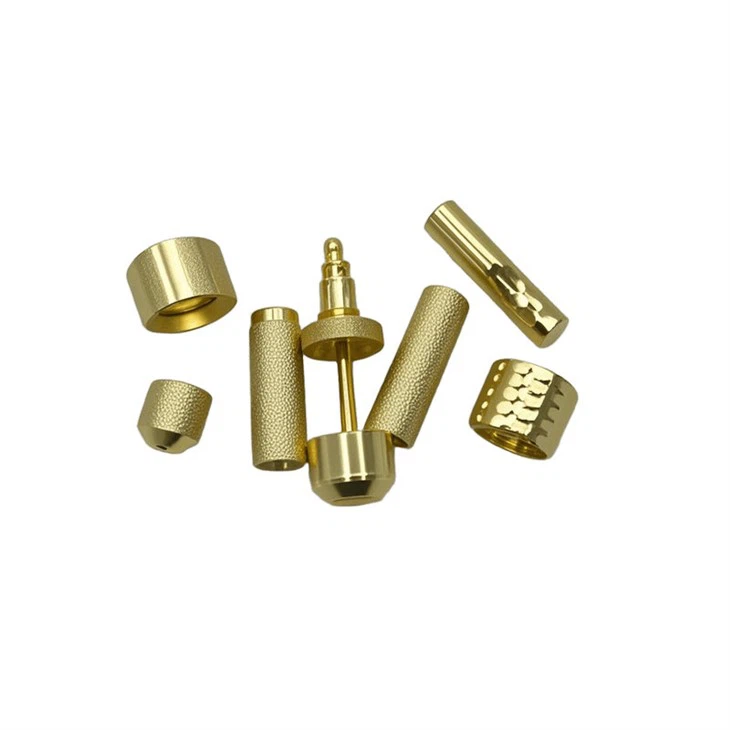
The finishing process you choose for your parts can also add to the cost. There are several types of finishes available, such as anodizing, powder coating, and polishing. Anodizing is a popular finishing option for aluminum parts because it improves the corrosion resistance and gives the parts a nice appearance. However, it does add to the cost.
Powder coating is another option that provides a durable and attractive finish. It's often used for parts that will be exposed to the elements. Polishing, on the other hand, can give the parts a smooth and shiny surface, but it can be time-consuming and expensive, especially for complex parts.
Labor and Overhead
Labor costs are a significant part of the overall cost of aluminum CNC machining. Skilled machinists are needed to operate the CNC machines, program them, and ensure the quality of the parts. The hourly rate of these machinists can vary depending on their experience and location.
Overhead costs, such as rent for the machining facility, utilities, and equipment maintenance, also need to be factored in. These costs are spread out over all the parts produced, so they contribute to the final price.
Transportation
If you're ordering parts from a supplier, the cost of transportation needs to be considered. The distance between the supplier and your location, as well as the shipping method you choose, will affect the cost. For example, shipping by air is usually faster but more expensive than shipping by sea.
Now that you know the main factors that affect the cost of aluminum CNC machining, how can you get an accurate quote? The best way is to provide your supplier with detailed information about your project. This includes the type of aluminum you need, the design and dimensions of the part, the quantity you want to order, and the finishing requirements.
Most suppliers will ask for a 3D model or a detailed drawing of the part. This helps them to accurately estimate the machining time, the amount of material needed, and the complexity of the job. Based on this information, they can give you a quote for the cost of the parts.
So, if you're in the market for aluminum CNC machined parts, I encourage you to reach out to us. We have the expertise and experience to provide you with high-quality parts at a competitive price. Whether you need a small batch of prototype parts or a large production run, we can handle it. Contact us to discuss your project and get a quote. We're here to help you make the best decisions for your business.
References
- "Aluminum Alloys: Properties and Applications" - A technical guide on different aluminum alloys and their uses.
- "CNC Machining Handbook" - A comprehensive resource on CNC machining processes and cost factors.


